Achieving Post-Market Success: Harnessing RWE for Accelerated Market Acceptance
Learn how CVS HealthSpire Life Science Solutions and Castor combine claims, ePRO, and device data in real-world evidence studies to support reimbursement.
 Derk ArtsCEO & Founder, Castor
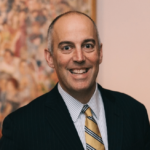 Shawn EdmondsChief Operating Officer, CVS Healthspire™ Life Sciences Solutions
 Joaquim FernandesResearch & Science Team Lead, CVS Healthspire™ Life Sciences Solutions
- Derk ArtsCEO & Founder, Castor
- Shawn EdmondsChief Operating Officer, CVS Healthspire™ Life Sciences Solutions
- Joaquim FernandesResearch & Science Team Lead, CVS Healthspire™ Life Sciences Solutions
About this webinar
In this webinar, Sean Edmonds and Joakim Fernandes from CVS HealthSpire Life Science Solutions discuss how to use real-world evidence to support regulatory decision-making, drug reimbursement, and market acceptance. They explain how study teams evaluate existing medical, pharmacy, and lab claims data, address missing data and bias during study feasibility, and fill evidence gaps through direct-to-patient outreach, remote consent on Castor's platform, patient-reported outcomes, and device data. The speakers also share two study examples: an educational intervention for untreated atrial fibrillation patients that increased physician visits and prescriptions, and a 276-patient tremor device study that achieved 92% completion and supported a Medicare local coverage determination. This session is for life sciences sponsors and researchers planning post-approval or pragmatic studies.
Key takeaways
- Under frameworks such as the 21st Century Cures Act and the FDA Sentinel program, real-world evidence supports new indication approvals, post-approval study requirements, and payer coverage policies.
- Upfront feasibility assessments evaluate existing medical, pharmacy, and lab claims data to identify missingness and bias before deciding whether to collect prospective patient data.
- Direct-to-patient outreach via email, mail, or phone combined with remote consent on Castor's platform enables rapid enrollment and national reach without requiring in-person site visits.
- Combining claims data with patient-reported outcomes and wearable device data addresses the evidence needs of patients, physicians, and payers simultaneously.
- In a prospective atrial fibrillation study, providing educational materials, a tear-off note sheet, and a live nurse call to diagnosed but untreated patients led to increased physician visits and treatment prescriptions.
- In a post-approval tremor device study of 276 patients with a 92% completion rate, device and survey data showed a 79% reduction in tremor power and relief for 82% of participants, supporting a Medicare local coverage determination.
Full transcript
Thank you so much, for joining me, all the attendees, but also specifically, of course, Joakim and and Sean.
Maybe we can start with some, some quick intros first.
So today, I have with me from CVS HealthSpire Life Science Solutions, Sean Edmonds and Jocco Fernandes.
Sean, can you maybe kick us off with, with a quick introduction?
Sure. Absolutely. So Sean Edmonds. I'm the chief operating officer at CVS HealthSpire Life Science Solutions.
Just a little bit about my background. I spent, I started my career working in large health insurers in in the US.
I've worked in a variety of segments, including, like, commercial, Medicare, and the pharmacy benefit management areas, which given me this experience has given allowed me to develop a deep understanding of the inner workings of each of these businesses and how coverage determinations are made in these organizations.
About nine years ago after Coom pleading a major initiative in our PBM, I had to desire to really get more hands on improving, improving health through innovation, and had the opportunity to join, a clinical innovation, area, which really had the opportunity to go out and search, the environment for, innovations that had the potential to improve health outcomes.
And we had the opportunity to select ones that we thought really had to promise, implement them in in the Aetna environment. And if they truly proved out their worth, then deploy them, across the across the enterprise.
So, it it kinda whetted my interest in this generating evidence, using the data, that we had in house and the patient interactions that we have, and ultimately led me to join a small start up within Aetna that was focused on leveraging that capability, to serve, the life sciences industry.
Wow. You could say this. All of that led up to to this moment in in time, basically.
It's amazing. Thanks so much. Joakim, could you, share your background with us as well?
Sure.
So hi. Good morning. So Jordan Fernandes, director of data science.
So I lead the science research and analytics group, here at CBS HealthSpire Life Sciences Solutions.
So my team supports, evidence generation needs of clients by conducting detailed and varied analytic studies, and by disseminating, the study findings through manuscripts, abstracts, posters, presentations at conferences.
Happy to be here. Can't wait to get going.
So you, you have a lot of publications to your name. I I assume. We can go look you up in Google Scholar.
There are a few.
Yeah. Nice. Yeah.
Well, thank you so much for for joining me both today. I'm very excited to, to speak about this topic today, real world evidence, specifically, you know, to talk about the the growing importance of real world evidence in in drug reimbursement, and, of course, to hear a bit more about the, the innovative workflows that can enhance our studies and and, of course, how, CVS HealthSpire Life Science Solutions is doing that.
So maybe, Sean, we can start with a quick look at the the regulatory, the regulatory landscape.
Can you can you explain how that's evolving right now, and what does that mean for for drug reimbursement and market acceptance of of new drugs?
Sure. Absolutely.
So the regulatory environment, has been increasingly supportive of real world evidence leveraging real world data.
The twenty first century's CURS Act is a good example how the FDA has actively been evaluating ways, to leverage RWA to help support the approval of either new indications or support post approval study requirements, around that.
You know, that gives credibility, right, you know what I mean, to the real world data and real world evidence. There's just a recognition of the value that's there. In every these everyday interactions, it's really working on how do we really glean that evidence in in a reliable way.
So, you know, incredible recognition of the value in understanding drug advocacy and safety across diverse populations, which is a little different than there's a struggle within the the clinical trials because you're you're working within, certain pockets of individuals around the country and don't always have the diversity, that represents the the country at large.
And these this acceptance by the FDA is also lending credibility for market acceptance and reimbursement strategies as well.
How are you how are you addressing some of these challenges in, in your group?
Yeah. So one of the one of the challenges around that is really just making sure that as we conceive of a study, we really contemplate the capabilities and limitations of the data that is available.
Thinking start from our internal sources, which are broad. Right? We have medical claims, forms of claims, labs, lab results that is in a closed claims environment, where we have a really incredible picture of of the experience. And, then you start stretching out to other areas where we have we have more gaps. So thinking about our retail operation where we only have the pharmacy view of the pharmacy claims.
Thinking about, you know, the the evolution of to tokenizing and linking data and understanding the quality of each of those sources and trying to be very deliberate about what sources we bring together, to understand, you know, where there are gaps, and develop plans to address those gaps within the study itself and the design.
Ultimately, we need to make sure that we're bringing the right set of data together, to solve that particular need, in a way that, that is reliable.
Yeah. Because I think, if you look at the recent guidance that came out from from the FDA, there are some requirements about, the quality of the data and and, you know, the type of data and, like, how much data they have to be missing. And so you you you're are those are those some of the challenges you're seeing into the regular three, acceptance? I mean, I would say they're true for traditional clinical trial data as well, but, of course, we we we don't have as many issues, hopefully, with missing data in in the in those settings. So are those some of the challenges you're you're you're looking at? And then how are you addressing those?
It is. And, you know, I know within within our data scientists, they, you know and, Joakim, you probably, you know, chime in here as well is, you know, how we look at the data to assure that it is, you know, it is complete. Right? You know what I mean? And deal with missing this in a way that's, you know, that is, appropriate and, you know, lends itself to, you know, statistically significant findings in the end. I don't have anything you would add, Jokum.
Yeah. I mean, it really comes down to finding the right dataset that answers and addresses the research questions on hand. Right? And so when there is missing data, you need to sort of address it, have the appropriate mitigation plan in place, you know, that that, minimizes bias and the, impact of the missing.
Can can you speak a little bit more about how you, how you do that? Like, what can you talk about those mitigation plans? And and then because I think, you know, bias is one of the biggest challenge we have in clinical research. Right? Like, half of my epidemiology training was about, you know, being aware of potential biases or or making sure that we, have a strategy against incorporating bias into into our science.
Yeah. So missing this is a problem, obviously. Right? It sort of gains the extent of missing that that's really step one. But then, beyond that, trying to figure out if that element or that variable can be used to inform the study, can it be used to power, the measurement of outcome. Right? That is key.
And if if the missingness is significant, then, you know, you look for other avenues, maybe other measures, to measure the cost of the effectiveness of the job or the difficulty. Yeah.
Yeah.
And I think as as we've also, as we evaluate data sources, we have the opportunity to look at samples of the data to I identify pre identify where areas that might be problem areas in it, whether we're gathering it ourselves, right, either from patients or whether, we're gathering from external sources and and, try to plan for, you know, contingencies if if we do find that they reach a significant level.
And so so already in the design phase, you you assess, you know, what what the feasibility is and what the completeness is of the data. So that's kind of part of the recommendation, I guess, you give to sponsors when you when you do a study. Correct?
It is. Yeah. Up up front, exactly, in the design. That's significant amount of our effort is working with sponsors upfront around the feasibility.
All all before we actually get into the study itself, it's evaluating, you know, who are we gonna be reaching out to if it's a PR or pragmatic, something where there's a patient intervention, or or interaction and understanding, you know, what type of response we could expect to fill the study. But then also, how do we keep patients in the study for the life of study and, and make their participation in the study simplistic. So we don't see that fall off in in data, in gaps, in it. So it's it's it's embedded all the way up front, and we we tend to be pretty conservative, you know, around that to make sure that before we get into a study and really move forward that we're going in eyes wide open of where there might be some challenges and having some some understanding of maybe there's some sub analysis that may not be possible depending on the amount of fall off that we see.
Yeah. So what I'm hearing is that there's there's a lot of work you can already do, you know, but but I'll, like, running a study. It sounds like a joke a little bit will do is actually, as far as I can tell, without incorporating new perspective, data. Is that is that correct? Just using the data you have at hand?
And so part of it is that, you know, if if we're missing data in what we have, right, missing elements, it's, we will then try to fill those gaps, whether it's imputations.
In certain instances, we will, reach out to patients and collect that data to Mhmm. To also rates. Right? And that'll give us just additional data, additional, endpoints that we can then evaluate, for effectiveness.
Exactly.
And so, I mean, that's, of course, where, me and Sean have have, you know, spent a little time and and where Gastro and I see you as HealthSpire LiveSense Solutions are are working together.
So maybe, Sean, can you reflect on how that actually works, how these these studies are designed, and when you decide to say, look. We need we need more than what we currently have, and how do we amplify, for the data?
Yeah. Absolutely. So, you know, as we work with our, you know, with our, sponsors around potential studies, what we will do is really try to get a deep understanding of where they have real world real world evidence needs. And then coming out once we understand that question and and really what what gap in understanding they're trying to fill, we'll then have the first cut of the of the decision making process is, do we have the data in house to serve?
Right? You know what I mean? Can we do it purely with data that exists already? Because that's gonna be the most efficient and quick way to do that.
Sometimes that works. Right? You know what I mean? And sometimes that fits the need.
But we also find that sometimes the more interesting, more challenging is where it doesn't, and where we have to reach the patient directly. You know what I mean? And that's the most the only or most effective way, to get that data, to get that truly voice of the patient.
And, that can be augmented by, you know, their their their PROs, whether they be, qualified instruments or, or custom designed, you know, questionnaires that get at a specific point.
We we've had studies where we actually combine that with also, a device or device data. Right? You know what I mean? So, you know, when you round that out, you can have, you can have a very thorough understanding of what is the the point of view of the patient and what their experience is over time, what the device data is telling you. And then also on top of that, you know, how do the clean how does that manifest itself in claims in their broader experience, with the health care system, overall, around that? So, so we, you know, we start with that as a foundational decision and then build out from there.
Wow.
That's And and so Go ahead.
Yeah. So what what we're really striving for is a very comprehensive solution, right, because our audiences are various. And and so, you know, it's the patient. It's the physician.
But it's also the payout. Right? So at the end of the day, we also wanna show potential cost savings because those, factor into, you know, coverage that that pay us.
And so those are all the three prongs of, you know, any of that good analysis.
We tried, you know, address it.
That makes total sense. And so how do you, if you do need additional data, how do you manage it? Like, what is the workflow? You reach out to, reach out to these patients? Like, kinda can you talk us through that process and how that works for you?
Yeah. Absolutely. So, when we come down to a study and designing a study and then actually implementing inside that, Really, it's direct to patient. We need to engage them. We have the opportunity to reach across a broad array of populations that I mentioned a little bit in the beginning, whether they're coming from our, you know, health payer side, the Aetna business, or whether it comes from pharmacy.
We have the those relationships that we can tap into and, develop outreach materials to contact them in in in either, you know, some traditional mostly traditional ways, whether it be, email, direct mail, or phone call. And we find that given the ongoing relationship with an, you know, name recognition that it's coming from, a CBS entity, that it actually we have really high response rates to that. So we see that open and click through and consideration of of the study. And then given the designs of the studies that we're working on, which are mostly post oh, really post approval studies, the requirements are usually pretty light on the behalf of the patient. So we see that consent rates are high, and participation rates are high around that.
And, you know, it's important that that's the first step of the process is really kind of outreach to them. But then we need to have the technology, to capture them, really, to present more about the study and then ultimately take them down the path of consent. And that's where, working with Castor's secure platform, we will direct folks to that, and it'll allow the trial participants to learn that little bit more about the study and what the what the requirements are and what their time commitment will be to that. And then, ultimately, to consider the the consent, consent and then move right on into the study.
It it's a really efficient way that we can get people in fairly quickly. And in some of our studies, the timing of reaching that person at the optimal point where we wanna create that learning, that engagement, whether it's initiation of a script or a diagnosis or, you know, there's we need to do that in a very quick way and leveraging this platform will allow us to, you know, to do that in a really efficient way.
Right. And so it's it's invitation, then it's, landing page with more information and then potentially straight to remote consenting. Is that right? Exactly.
Yeah. And all of our studies that you, you know, are really have that remote flavor. We we work to do that, to structure it in a way that a patient doesn't have to go into, a center or, have an interaction in in person, just because it allows us to have that national reach. Right? You know what I mean? And to be able to dive into pockets that might otherwise be ignored or or not not easily reached, and and given our locations and our, you know, our patient population, really include a lot of diversity with that as well.
Yeah. That's that's amazing. That sounds like a great use of, of the incredible access you have to to create on on a daily basis. Right?
I mean, incredible numbers of of of people moving through CVS in in any shape or form. Alright. And so what what happens after they've they've consented? I mean, I I know the answer, but I'm gonna spoil it.
Yeah. So after the consent, you know, there there's a number of things that we can do. It can be, you know, as simple as, you know, a series of surveys that are that are, you know, timed out to to understand, you know, how patients' health evolves over time, after, you know, a particular incident.
Or it can evolve, you know, engagement with with a device or an educational intervention. We've done kind of all of the above, where, you know, they, they might be, you know, wearing a a device for for a period of time during the study and allows us to learn more about their health and and share that with them, you know, as they're going.
And we found that it's very potent when there's there is something in it for the patient and even that's learning learning a little bit about their own health.
And sometimes that's that's really rarely where it ends. Does that education and informing of something like they might not have known otherwise, really help improve their outcomes, you know, with, you know, putting that information in the patient and or the providers.
You know? Or, you know, we've had other designs where we educate the patient about their own condition and, in the hopes that that will prepare them for a conversation with their own their own provider and then measure the outcome. And we can talk a little bit about that later on about some case studies around those.
Yeah. That's that's super interesting. And then so I think when a lot of people think about real world evidence, they think about chart reviews, or, you know, existing kind of still datasets. And and what you're proposing here is is, of course, much more real time, much more perspective, you know, the direct to patients, approach, if you will.
So maybe you where do you see this going? And and what does this what does this mean for for real world evidence? And and and what what does it mean for technology you're using if you're going to this, this type of study? How is it different from the classic chart review, I think, in in many ways, obviously?
Yeah. You know, from, as you started with with the question, really, you know, the the chart review is is is really taking up information that has already been generated and trying to pull that out and looking backwards, right, you know, at the person's, you know, experience.
What's really interesting with these is we can we can capture what's happening, you know, in in near real time. Right? You know what I mean? Where they're being engaged, you know, after, let's say, you know, a specific event and, providing that insight, you know, at one week, one month, six months, right, over time and watching the longer term impacts of a particular event, right, you know, in in their history.
So, I think, you know, it's helping to accelerate, you know, learnings, that might have, you know, that might have taken years and and other approaches can be can be, you know, identified within within months.
You know, I think that's that's kind of the really interesting things. And there there may be you know, given what we've experienced during COVID, there are questions that came up that that couldn't be answered except through data Yeah. That was gathered in real time in the moment. Right?
That you needed a large population for and you needed it, you need to understand it, in in the moment.
And so what what have you learned about these, these studies? You've you've been conducting them for for a while. So what what makes them successful? Is there, is there a a magic approach to to making it work, or is it different every time? What will you say is, is a is a an approach that that really helps drive the success rate of these projects?
Yeah. I think it's you know, for me, it's always I always walk them from the patient side to understand it. So, you know, we we can understand what the question that the sponsor is is looking to to answer.
But if you follow that blindly without considering the patient in it, you could, you know, you you might find yourself in a position where you don't have any patients that are interested in participating in the trial.
So, you know, walking the very, very specifically each step, what happens first, second, third, all the way through, and understanding you know, trying to put your mind in in because we're all patients outside of this. Right? You know? You know? You know? Understanding from your own perspective, if you were the person being contacted, how would you react to it?
Would it be interesting to you? Would would you be willing to, to participate and, and try to identify any any roadblocks in there, either things that are difficult, additional steps, that that we are put into the process that that are opportunities for people to drop off. That's where, you know, I think we found where we can eliminate them and make it seamless and easy for for a patient to participate is the ones that are the most successful. That and if there's if there's some component other than reimbursing them for their time that that they might benefit from. Those have been the most most potent, you know, highest degree of, consent and participation through the whole study.
So would that include And the question of No. Go ahead, Emily. No.
I was gonna say, Anne, you know, before we do, EPREL, we will we will do a landscape assessment. Right? We'll look at the retrospective data, look at, you know, treatment patterns, look at practice patterns, look at, you know, guidelines and how those we are being followed.
You know, and that helps us inform the, the outreach. And, we're really looking for patients with unmet needs.
And then we devised the outreach in a way that it's attractive to patients.
And that has helped, you know, improve her enrollment. At the same time, we we see very low attrition, with this, like, a ePRO platform.
Patients that enroll in our, projects tend to stay That's great.
And I guess that's that's a combination of all the factors we've just discussed here. Right? So one novel approach really focused on understanding, the the patient patient journey ahead of time, offering something in return, for for them.
So it's it's you know, what I'm seeing from where I'm sitting, it's it's it's definitely, I think, a big new modality, this this direct to patient, ROE.
I I I think it's clear that you are you're going to do a lot of these projects as you you have access to some so many patients and so much valuable valuable data.
But it's as a fascinating advancement, I think, in terms of how we look at, conducting these, these studies. And I think maybe we can transition here a little bit to to talk about, like, how do we, how do we use these data in the end? Like, what what is the impacts on, on the science and ultimately, you know, the markets through the science? Right? I mean, we all like to believe we live in the age of evidence based medicine, and and to an extent, I would say that's true.
Although I think there's a lot we can improve, and I I actually think real world evidence is part of the answer to true evidence based medicine. So, Jokow, Machine, you can Jokow, maybe you can share with us how how you see how do we ultimately influencing, the scientific research, but also, clinical decisions, you know, really bridging the gap from research to to care.
Yeah. So as so as I see it, right, so RWE has come a long way. Right?
You know? And so, if you look at the background, so FDA, has a long history of using the using RWE. You know, so for, monitoring and evaluation of drug safety through the Sentinel program that goes back a decade.
Right? Sean talked about the twenty sixteen Cures Act, that established a framework for using RWA, you know, for new indications.
In twenty seventeen, we saw something for the first time. The FDA approved, a new indication for a device, right, without a clinical trial, just based on, product data product use data. And so that, I think, will mark the beginning of something, new, which is the use of RWE for, you know, regulatory decision making.
So, you know, there's there's a lot of items related to I RWE on, you know, around the table. Right? So, just to name a few, you know, hybrid clinical trials where, the clinical outcome is measured through RWD. Right? Yeah. Using observational studies, that generate, you know, effectiveness data.
My favorite is the external controls, right, for, for drug approvals, in cancer and rare disease, right, where it's almost unethical to withhold drug, you know, control arm.
Pragmatic trials. Right? We talk a lot about it, where you relax the inclusion exclusion criteria, and you get a sense of the effectiveness of of drugs, in a real world setting.
So, you know, so, really, I mean, there's been a lot of movement on the news of RWE.
Just, you know, payers. Payers use RWE, to inform their, you know, coverage policies. We've seen that in some of our studies.
The market itself is growing at a rapid pace.
I saw see estimates about eighty billion dollars by twenty thirty. On pharma companies hiring RWA staff. You know? So, definitely, heading in the right direction.
And then just the use of RWE, if it's appropriate, you know, it's it's, cheap. It's fast, you know, compared to our RCT.
With an aging population, you know, that's only getting sicker, we have to shorten, you know, drug discovery timelines, time to market. And, you know, I I really believe that, RWA, will shape health care for the years to come.
I, I know one of the use cases for for RWA or phase four studies is to also study, an intervention in an additional population that wasn't enrolled, initially in the study. Is that something that, you also, support kind of understanding the effectiveness of, of of drug or device in in a population that wasn't explicitly studied in in the phase two, phase three studies?
Yeah. Absolutely. Right. I mean, the clinical trials are conducted in sort of very pristine conditions.
Right? Very strict inclusion exclusion, and then we take that, to a real world setting, and then we measure how the dog's being used, how it's being prescribed, you know, what are the benefits, what are the outcomes. You know? So absolutely.
That that all constitutes a a real world that when it's done.
Because as from where I'm sitting, that's extremely important information. Right? I think, specifically, those are pragmatic trials you mentioned. I I actually had a a discussion with with Brett Hightower recently on the protocol designs, and and he's running a lot of phase two, phase c studies, and they're just very strict, you know, very narrow, hard to hard to enroll sometimes.
And but on narrow also means, of course, less representative of the total population and quite a bit of a back and forth on, like, why that that that is the case. And it it makes, you know, it makes a lot of good sense to design a trial like that to also keep the the the cost under control and to, you know, focus on on one population first. But I think it's, you know, amazing that we have a mechanism to then broaden, the reach and really understand the, the more pragmatic impact of, of a new, treatment on a much larger populations. And I was actually curious.
Maybe maybe you have some examples for us on where, real world evidence that you worked on that to, significant change in your care practices because that's ultimately what we're hoping to achieve. Right? If we have better treatments or better ways to treat patients, we we we would like to see that propagate into, daily care so that you can actually see, an impact on patient lives. So maybe he tells a story about where you've seen, that that happened in a significant way.
Yeah. So the the one that we really are you know, we talk about a lot is is a a recently concluded, prospective study, in patients with atrial fibrillation.
And, you know, to see this medical condition, often undiagnosed, undertreated.
And so the the goal of the study was really to influence behavior, patient behaviors, patients that have atrial fibrillation but were not engaging with the treatment.
And so the study, you know, sent educational materials to patients. Additionally, we also, had a nurse calling them, to engage them in a live call, in a virtual visit.
The education itself for us and for more information about, you know, AFib, the risk of stroke, treatment options that are available.
And so what we found is after after receiving the study materials, as we looked at the data and analyzed it, we saw a significant uptick in, physician visits. Right? So patients with power, actually followed up with their physicians, buying more Afib. At the same time, we also saw an increase in prescriptions for, treatments for Afib. You know? So, even powering patients, led to sort of a practice pattern change, in one that was pretty similar in the study.
Yeah. And just to layer in a little bit more. Right? That was there was incredible amount of planning that went into the intervention.
You know, looking at the population, I I know, and identifying folks that were diagnosed but untreated and had no contraindication. They for all evidence seemed that they should be.
And, if the intervention included, you know, something that, preceded the phone call to allow the patient to have something tangible in front of them around it and then also had actually a note section where the patient could take notes from that conversation, intentionally tear it off, and actually bring that to the, physician to help facilitate that conversation because we know that that, you know, doctors have limited amount of time with each visit. And, patients sometimes just get really you know, they lose the words in in a moment, and this was a way to to, help bridge that gap, in in a meaningful way.
So Amazing.
And I I didn't actually get a chance to tell you this, but, my my entire PhD was specifically about this problem. So lack of, anticoagulants prescribed to patients with atrial fibrillation.
So I try to solve it, with the decision support systems to tell the physician, like, wake up. You gotta prescribe anticoagulants to this patient because they they might suffer from a stroke. But, I I it was actually very hard. Right? So I can totally see that going to the patient and actually empowering them to understand the problem and go to their position to have a conversation about it might actually be more effective than an awards, the the the fiftieth award in your in your, EHR, which is what we were you know, obviously, we didn't wanna be the fiftieth. We thought ours was very important, but all the other alerts, they also thought they were important. Beautiful example of, of of impact.
And maybe Sean, you can share a few more, stories, because I think it's it's super helpful to hear, like, how you've done these projects and and and what the impacts, has been that that generated.
Yeah. Absolutely. And the last thing on on that on the last example is it was a specific design decision and discussion. We we discussed informing the the provider as well, and and we backed down saying there's been enough provider education. It's not moving the needle. So we we go to the patients direct, to to try to have that impact on it. So so, yeah, another another example of, and and this one included, a device.
It was it was approved. Right? And it was, it was it was something that was approved on the market, but it was suffering from adoption based on coverage determinations, right, around it.
So, what they had come to us for was really trying to generate that body of evidence that would would help support adoption, you know, in in coverage determinations.
So, we actually enrolled two hundred and seventy six patients to, participate in the study.
You know, ninety two percent of them completed the entire study, and the device was used roughly on average for for over four times, a week.
And based on the device data, we could see that the tremor path you know, there was around tremors that the power of the tremor was reduced by seventy nine percent in the in the device group, and eighty two percent of people experienced some relief, from the tremor.
So, I I made it to, yeah, I made it to that was also the, you know, you know, basically, a BFADL score. We were able to do a pure o and measure their, their baseline in a one month, and we saw that, improvements, significantly greater in the device versus standard of care. So, you know, that was an example as we mentioned, earlier where we invited patients where this would be something that could be very helpful and attractive to them as an alternative to to, some, you know, some medications that may or may not be working for them, to basically, you know, offer them to the opportunity to participate in the trial in which they they got the benefit of the device, for the period of the trial, and then collect, their input directly, you know, on how they felt their lives were changed by it.
And that information, when published, actually helps support a local discover local coverage determination by Medicare. So it was referenced directly in that, in that local coverage determination, which, was potentially headed in the opposite direction. So, so very beneficial in the end, to the company, but to patients that suffer from that, disease because with without that coverage termination, you just wouldn't have access.
That's amazing. And and can you give us a quick, like, overview of how this study was what what was the workflow? Like, how did how did all the pieces come together? Are you able to go into that?
Yeah. So it was it was a bit of, you know, collaboration. It always is, with with our sponsors. So, you know, we were able to, leverage, the, you know, the Aetna population to very much target in on on diagnosis, you know, specific diagnosis. So we knew that these individuals were the the right group.
We looked at their overall health, and, you know, experience and and were able to segment individuals that that looked like they were not, you know, not, they were suffering from it a little bit more than than than others and and basically reach out, to engage them, we then consented them to participate. But because this truly is something that is is wearable and has you know, could have other impacts if if we don't have a hundred percent view of all of their their conditions. We we worked with the sponsor to engage them in their onboarding process. And as part of that, reach out to the provider's own, the patient's own provider to get their sign off on them participating in the study.
So we managed that workflow even though the sponsor's onboarding team did did some of the work. And once they were in the study, basically, the device collect collected the data. We collected the surveys, and that device data was then married up, sent back to us, married up against, claims and bureau.
And you handle that data integration as well?
Yes. Yep.
Beautiful. Okay. That's, that's an amazing many things. Amazing story.
Yeah. Yeah.
I mean, there were a lot of buzz in this this study. Right? The response rate was just phenomenal. Right?
The outreach materials too was not just a simple matter of we need to go. We got time, you know, device, something creative that got the attention of, you know, of patients, and they tended to enroll. The intervention itself, was promising. You know? It sort of addressed an unmet need for these patients, you know, in.
Progyny is, you know, hundred thousand dollars, and probably.
Intervention can be addressed that I'm messy at a price point that is, attractive.
I actually think that there could be a good segue. We're getting up close to our q and a anyway, and I want to invite the, the audience to post any questions that they they have. But, Becky, asked a question on, the solutions.
You've we you've seen in in reducing, patient dropout for EPOS studies. So she's curious about what what has been offered in into patients in return. I think you just alluded to that, Joakim, and sort of, like, what was beneficial that had maintained their interest.
So maybe we can just quickly take that question as it kind of alludes to, to what we were just discussing.
Yeah. Absolutely. So, again, I'm sorry. Going back to the beginning, you know, understanding, you know, what we're asking of the patient, and balancing that up of what up against what benefit it is is because you can just from the number of surveys, the length of surveys, the frequency of surveys, you can kind of, you know, dissuade individuals from from participating. So, you know, upfront design, patient compensation for the time, which is not novel. Right? But considering their level of an effort, that's required and making sure that that's, you know, made it up appropriately around that.
And, you know, working for ways looking for ways to really make it as easy for them to reenter, you know, the the survey. Right? You know what I mean? To, to continue to provide those, those results.
You You know, there's still work that we want to do, you know, moving forward, which, you know, in enables, you know, integration. Obviously, with Castor's help, you know, the basically, the, the ability for an app versus, being hit on, through another follow-up email or reminder, enabling, you know, you know, actually reach outs from from the app to to enable that as well.
And then looking forward to the future more around, we we've seen approaches that include some gamification in in the rewards as well. So not always relying on on just sure monetary, and in the benefit of of participating in the study. But, we've seen, not that we've we've done ourselves, you know, approaches where gamification of the of the participation process can really help, create that stickiness.
Yeah. So if this is a question you can't answer, then then by all means, skip it. But but but I think how do you weigh that, like, monetary rewards based on completion of of PROs, etcetera, versus these these other, less tangible, inputs? Like, have you do you have a way to weigh that? Like, have you seen across different studies, maybe there's been studies with, like, higher monetary rewards versus lower monetary rewards where you offer, you know, like the AFib study, you actually offer them something to improve their health?
Yeah.
Like, can you speak to that, or is it is it hard to hard to put a, you know, appointment?
It's hard to put on it. I mean, there's there's some guidelines obviously from from the IRB. It can't be, you know, excessive or coercive, you know, amounts so that that creates limitation. That's where I think the advent of gamification can help because what we've heard and seen is that, you know, the turning it into something that's more fun, you know what I mean, to to participate in, can actually reduce the amount of of monetary, you know, incentives that that need to be provided of it.
And I think the monetary, you know, to your point, like, how much do you put in really depends on, you know, how much is in it from the participate in the study period. So in that earlier, getting that device meant that people didn't really need a lot of incentive. Right? You know what I mean?
To continue to do it. And if we kept the the surveys down in length, their, you know, their requirement was lower, so the so the, engagement was lower. But on the other hand, if the surveys are longer or multiple, which we have done, you know, several, in a in a in a in a individual, setting, you have to increase the the monetary reaction, you know, the monetary remuneration for it. And that's, you know, and and the IRB, you know, basically understands that as well.
So it really has to meet up nicely to what's there. I think also when we consider it, it's one of the other considerations is the staging of it. Right? You know what I mean?
Do you is it all equal, or do you have an arc to it?
So Yeah.
Okay. I think that's a great answer. I hope that's been that's been helpful, Becky.
So I think we're, we're we're at the end of of the webinar. I think we need to leave some time for for some additional, questions from, from the audience. From the audience. And maybe some some other thoughts on, what we discussed so far, Dokim and and, and Sean, before we switch to q and a?
Yeah. I I, you know, I I think it's it it's just a really you know, for me, this has been, you know, over the last eight or nine years, an incredible ride, you know what I mean, of understanding, you know, this evolving environment. Right? You know what I mean?
Around RWA and and the data that's available. And it continues to move constantly. Right? You know, innovations around data and analysis and, you know, how you bring this all together, is gonna continue to unfold, which is gonna make it a really exciting area as well.
And then meet that up with what we saw what we talked about at the top, which is adoption. Right? You know what I mean? Acceptance of it as being, you know, real and valuable in a way to accelerate, drug development, device development, is just, it really, is an exciting time to be in this space.
Yeah. I agree. I agree.
Thank you for that.
I have a question here from, from Scott.
Assuming that you are depending on the EMR EHR data and the, degree, degree, framework.
How is, I think, a big assumption? Will we tackle that? How have you addressed data standardization, labeling, etcetera, and challenges in the collection, analysis processes? So there's a question about the quality of of eMAR data, and then, you know, I'm curious how relevant is that for you?
You know, for us, to be honest, we we haven't relied heavily on EMR up to this point. We've we've found studies where, where our where claims data is is sufficient.
There there have been studies over the over time where the the data that we're looking for only resides in the MR, which, you know, which is is challenging, right, based on the points that were in the question itself.
So it's an area that we we do have some access inside. We haven't made a lot of use of yet. But looking forward, it's an area that we will be spending time in in trying to solve it like everyone else. I know, Jovam, anything you would you would add there?
Yeah. I mean, I think we've we've we've tried to be from EMRs and, you know, we're trying to fill gaps using, you know, patient reported data. You know?
Yeah. It's, you know, I think a lot of the, the work that's being done in medical affairs teams is actually purely relying on EMR data. Right? But I think the the challenge there is it's lagging and and as Scott is alluding to, often nonstructured and not not properly labeled. So I think if you can contagious approach, it's it's terrific.
And so I think it's good that we have an opportunity here to to speak about that.
Another question that I saw come in is is on the diversity piece. So if you can speak to that, so what what what are you doing to, to to address the the, you know, sufficient diversity in the trial? Specifically, of course, and I'm paraphrasing the question a little bit here, but, specifically in terms of assuring that the, the the mix of the population matches the the the population that that actually has the disease. And so is there any anything that that you can do internally to to ensure that, or what are strategies to to address that challenge?
Yeah. I can start, and, Jokan, maybe you can you can layer on top of. So, you know, one of the the benefits we have, especially when we delve into the beyond the the Aetna data and and into the CVS data is just just based on where our stores are located and how many there are.
We we we really are more representative, as, you know, as a base case than than we have ways to get to be more representative based on the population that are using our stores.
You know, Aetna has, you know, is really good data, but sometimes tends to be a little bit skewed because of, you know, those people are insured. They work for employers that offer their insurance, you know, or or they can buy it individually. Right?
You know, when we get to some of the pharmacy data, we we spend the individuals that go in and out of our pharmacy, they're more more representative around that. And so we've tapped into that population, after, you know, CVS and Ed came together.
More off you know, it's created an opportunity to, to be very deliberate about who we invite around that, particularly in COVID.
You know, there had been reach outs to us during the COVID time, to help make up for lack of diversity in other trials. And we were able to help, target and then invite individuals to participate, that would help balance those studies out. Do you have anything to add?
Yeah. So, I mean, we collect race, ethnicity data. We use it all the time in a lot of our analysis. But even more importantly, we use, social vulnerability.
And during COVID times, especially with vaccine distribution, you know, the vulnerability was an important aspect of that distribution strategy.
And so, you know, there's there's several different metrics that we use in our data. We've been trying to over index on certain key variables, to ensure we have appropriate representation.
And and and when you're trying to activate a population that that is maybe underrepresented, do you do you find that your strategies are are as effective, or do you use on the need to pivot in terms of getting engagements and then and then getting the enrollment rates up?
Yeah. I think, you know, our our our our rates have been really good of of engagement, with it, but it's something that we've, you know, we we continue to work on, right, to try to meet people where they where they are, you know, from the language, right, that that's used, and, you know, looking for unique and novel in the you know, at periods of time, we've looked at unique and novel ways to engage, a diverse population, other than kind of your standard methods. It's not it's not easy. We had a, you know, in a prior iteration of of our organization. We have a team that was dedicated to that and that alone. And, you know, it's it's it's difficult to make end end roads.
But I think our we lean that's where we we lean, sometimes on a broader, broader organization that has, relationships in the community and and work from from that angle.
It's it's it's it's fascinating. I think related question that I saw come through, this might be a tough one, but is does claims data potentially have some implied bias with it with it as well? Because claim, you know, claims data suggest people have coverage. Like, is it is there is it looking at a certain slice of the population, or do you feel like, you you you have broad broad coverage that that kind of negates advice.
And so it really I mean, it really depends on what's in the claim, right, and what covered populations are represented.
You know, so on our CVS side, our data is bi agnostic. So, you know, it's a combination of commercial, Medicare, Medicaid, and we think it's more representative of, you know, of the US in general.
On the insurance side, we think, you know, we we think that the, people that have insurance are slightly more affluent, right, because they have insurance and can afford it. And so may not be entirely representative, but, you know, still has valuable information.
Yeah. And I think it's it's great that you you're aware of that in in contracting it. Right? So you can look for other strategies to to deal with that. But it's, I mean, it's for me as being originally Dutch is always a fascinating, fascinating topic. I just couldn't think of this question, but, you know, Khalil is is very relevant.
I wanna I wanna wrap up with with one final, question, tokenization. That's something that we speak a lot of in in the context of RWE. Is this something, you do?
Just a question that that that came through. Do you leverage the organization, or do you just have everything you need in in in house?
What does that look like?
Yeah. So so we do, you know, leverage tokenization. We've done it on, you know, multiple projects in in the past.
Of course, we try to leverage the data that we have internally for the the most, you know, to to be able to maximize the value out of that, what we have in in house. But we we have tokenized and and reached out, and, that's an ex instance where we did use some EMR data. Right? You know what I mean? Around it.
It comes with its own challenges, you know, around the quality. You know what I mean? And the missingness and, you know, and it steps outside of, you know, the interesting thing when I joke him, I think, yeah, didn't didn't go into a lot of detail, but he's been working with the the data for how long, joke him?
Twenty five years. Twenty five years.
So he he he knows where all the data is. He knows the quality of it. He knows what, you know, data elements are reliable versus not. You know, when we step outside that realm into into tokenizing the other sources, you know, we have to rely a little bit more blindly on on the data itself.
So Right.
It's something that we use, but we're cautious for anything around it. And, you know, it's it's something that I I think is is gonna be used more heavily in the future.
And we're it's it seems like the industry itself is going through a learning phase of, you know, how do you determine the quality before you make that purchase decision of bringing in external data?
And and, you know, where are are there markers that you can use to know in advance that's gonna it's gonna meet your needs?
Yeah. That's that's very interesting. I think that's a great point, and again, a great bond that you have with, having someone, you know, who's been on the on these data for so long. That's, that's super helpful.
It's, three minutes to the hour. I have a few more questions here, but I think, we can we can leave those for, for a later date.
Love to get back on this topic, of course, maybe look at a specific project. But for now, Sean, Joakim, thank you so much for for sharing, and and for showing us the the the just the depth of of knowledge and experience you have on this topic.
Hopefully, really valuable for for the audience.
And, yeah, thank you so much. Very, very excited to, to be working with you.
Yeah. Thank you, Derk. Thanks for the invitation.
Alright. Thanks to the audience. Thanks for attending, and, we'll see you soon on our, next event. Thank you.