ePRO: the electronic solution for patient reported outcomes – OLD

March 10th, 2017 by

Traditionally done on paper, surveys are a common way to collect data from study participants. Surveys are questionnaires that allow data to be collected from a pre-defined sample in a population [1].

Patient reported outcome measures, or PROMs, are a form of clinical outcome assessments (COAs) an easy method for measuring a patient’s health status or health-related quality of life. These capture data from moments in time through questionnaires which patients complete independently [2]. 

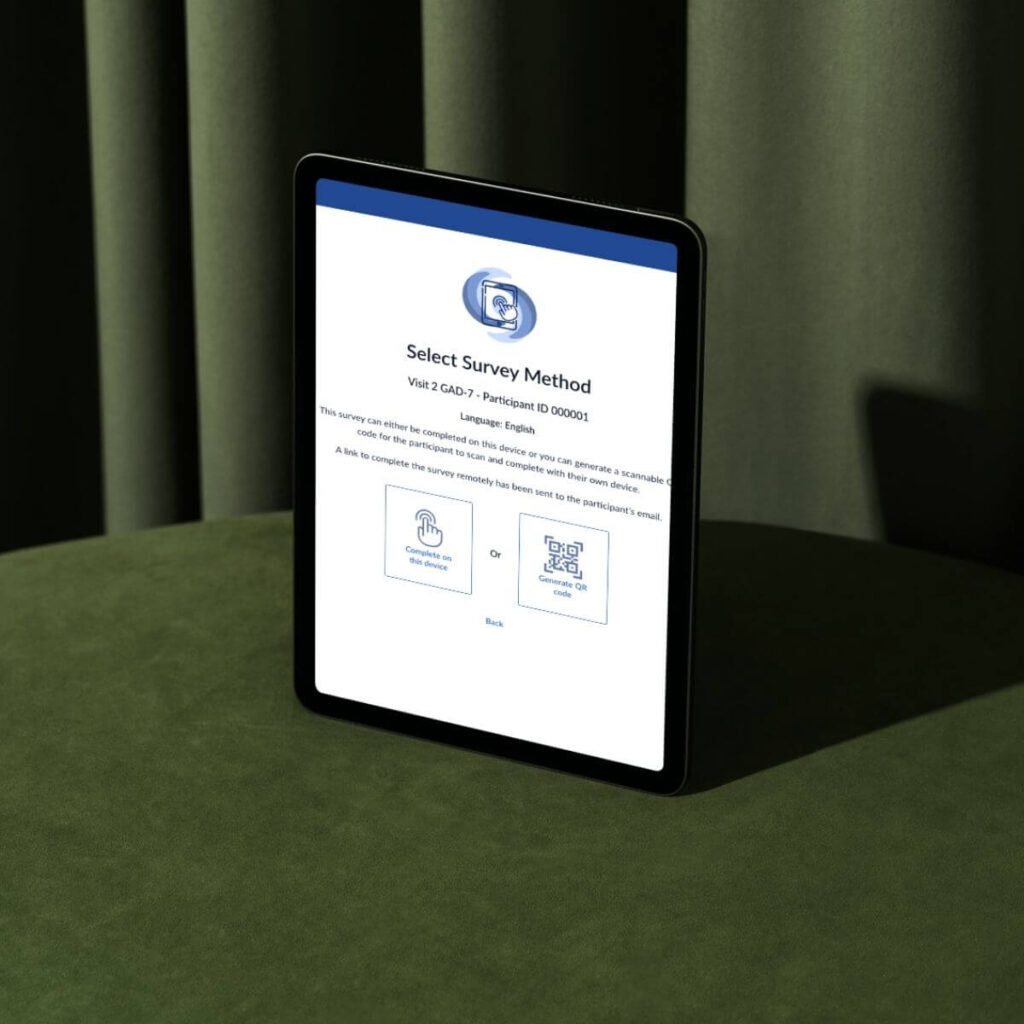
In the past, surveys have been administered on paper, which requires tedious administration and several logistics, and also poses a private health information security risk. However, due to digital technology, collecting ePROs (electronic Patient Reported Outcomes) securely is easier than ever. Patients can complete secure surveys sent via email, saving time, increasing engagement, and requiring less administration. At the moment, 23% of studies in Castor are using surveys through our eCOA / ePRO platform.

Benefits and Challenges of eCOA / ePRO

Online surveys are easy to distribute, however researchers should use tools designed and built for medical research, both for security and data compliance. A major benefit is a more efficient and streamlined workflow, equating to time saved for researchers and participants. Often, for example, travel time to clinic for data collection can be a barrier for participants and negatively impact the study, especially when researching rare diseases or small gene pools [3].

Surveys are cost effective, requiring minimal research power to reach people and collect data. With the correct electronic data capture (EDC) tool, researchers can send surveys directly from the system and do not need to import or copy data from paper. Well designed surveys will collect high quality relevant research data, but require careful crafting and evaluation of wording and questions [4].

As discussed above, questionnaires need to be well crafted to ensure they are valid and reliable. It is also important to ensure that the correct population sample is selected. As with all study designs, surveys can introduce bias as a result of poor responses or no-responses (response bias). 

How to create good surveys

As researchers, the challenging task lies in creating a well designed questionnaire that measures what it claims to measure ensuring that it is valid. External validity is important for the generalizability of the study, ie. are the inclusion or exclusion criteria properly defined, can the results be applied to a population [4]. And internal validity is related to the robustness of the study, ie. does it have sufficient statistical power, proper control groups, randomization and blinding [4]. And a reliable questionnaire that will produce consistent results upon repetition [1].

When generating a questionnaire, the questions can be close-ended or open-ended. With close-ended questions, researchers set the range of answers on a scale or a range of tick-boxes [1]. Open-ended questions or free text can enrich quantitative data, and researchers will want to plan in advance how this data will be analyzed [1].

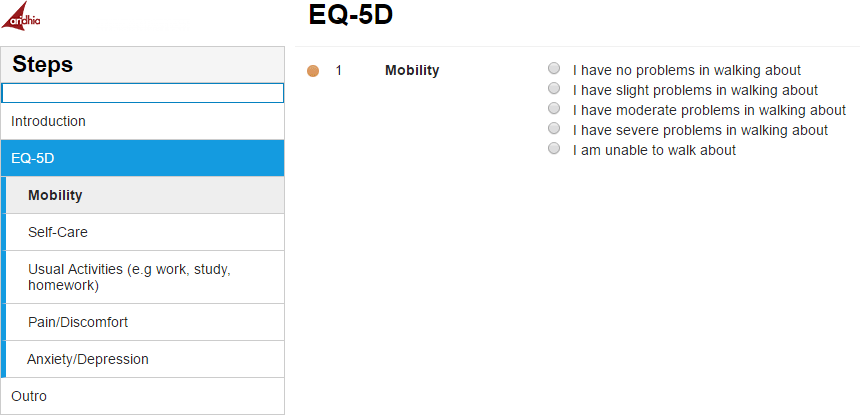
Standardized questionnaires can also be used, see an example below of an EQ-5D Questionnaire from Kieran Bond of Aridhia [2]. These widely used forms ensure that a high level of validity and reliability is achieved throughout the research.

Example of an EQ-5D Questionnaire in Castor EDC

Reduce study build time and capture data from any source using Castor’s top-rated EDC system. Schedule a demo to learn how.

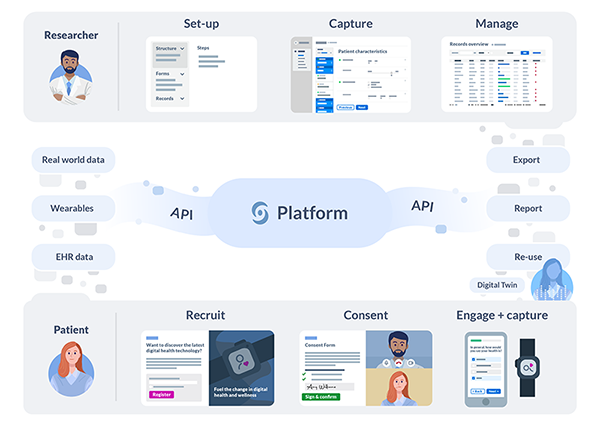
Using surveys for research in Castor eCOA / ePRO

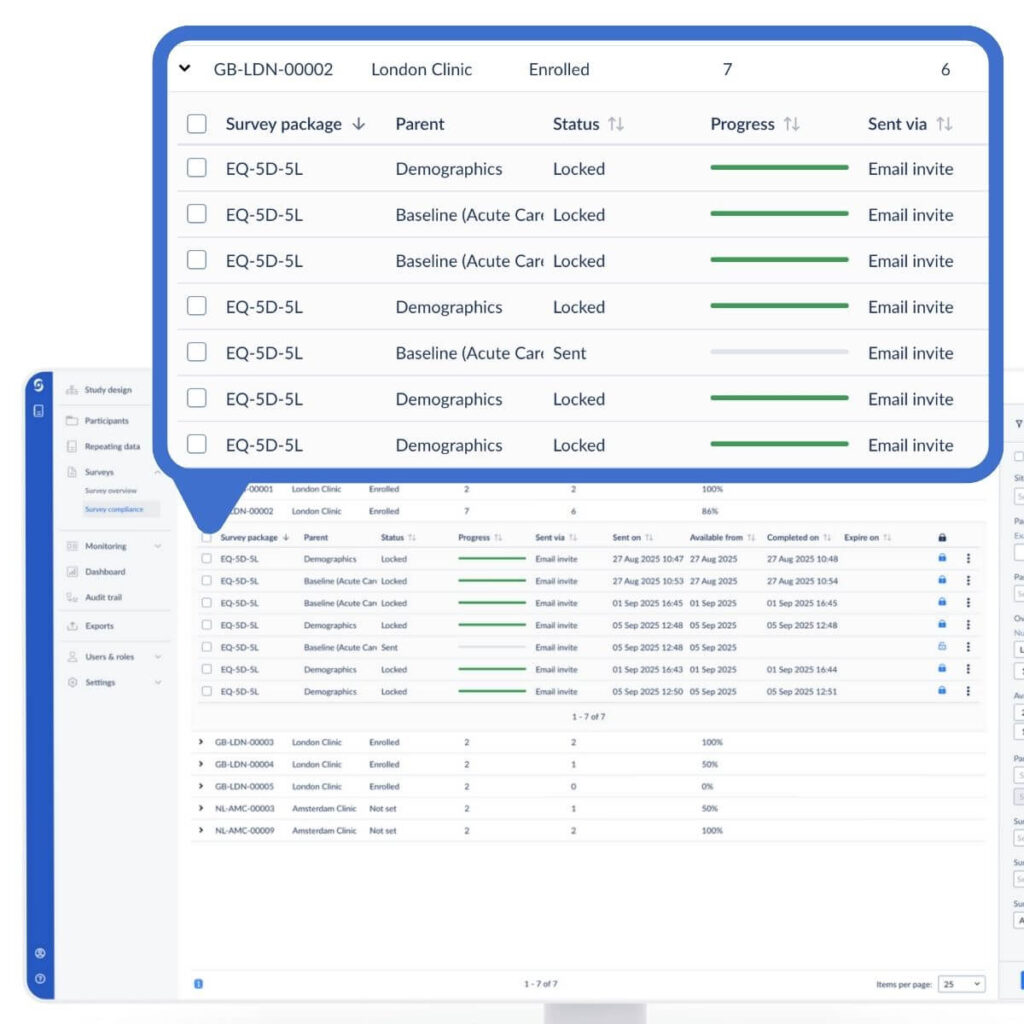
Users can choose from tried and tested questionnaires shared by Castor users in the Castor Form Exchange. Standardized forms, such as the 36-Item Short Form Health Survey (SF-36) that measures quality of life, can be easily downloaded and re-used. Researchers can schedule surveys and create emailing schedules to distribute patient questionnaires on certain dates or according to a custom timeline. Data from the surveys can be in a variety of formats (SPSS, Excel, CSV).

Using encrypted email addresses, clinical data entry is combined with outbound survey invitations sent to study participants. And at the push of a button, researchers can send a questionnaire to hundreds of participants, monitor its status and see results directly in the study dashboard.

Click here to find out more about the Castor ePRO features or check out our webinar on how to build surveys in Castor.

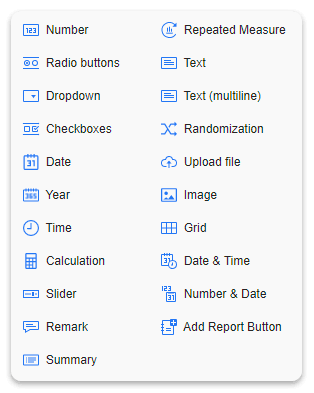
Adding surveys in Castor EDC

Sources:

  1. https://www.ncbi.nlm.nih.gov/pmc/articles/PMC420179/
  2. http://www.aridhia.com/blog/building-trust-and-improving-participation-in-clinical-trials-using-innovative-electronic-data-capture-platforms/
  3. http://www.bmj.com/content/350/bmj.g7818
  4. http://www.bmj.com/about-bmj/resources-authors/bmj-right-journal-my-research-article

Demo Request

Evaluating “Bother” as a Component of Patient-Reported Outcomes in Clinical Studies

May 16th, 2024 by

Patient-reported outcome (PRO) instruments refer to multiple scales and questionnaires designed to collect patients’ personal feedback on their subjective experience in a clinical trial. A form of clinical outcome assessments (COAs), these validated tools are adaptable, suitable for broad application across diverse study populations or tailored to groups with particular diseases and conditions.

Depending on the research hypothesis and objectives, patient-reported outcome measures (PROMs) may serve as primary, secondary, or exploratory endpoints. PROMs have become increasingly important to clinicians, regulators, and payors for capturing patient-centered data about disease symptoms, side effects, functional outcomes, or health-related quality of life.1

Within the context of clinical trials, “bother” is intricately linked to PROMs. It encapsulates the adverse subjective experiences—ranging from mild discomfort to significant distress—that arise as a direct consequence of side effects or trial-related procedures.2

By incorporating bother questions as part of PROMs in clinical trials, researchers can better understand how patients perceive the impact of the condition or treatment on their daily lives. This information is crucial for evaluating treatment effectiveness, making informed clinical decisions, and improving patient care and quality of life.

In fact, the FACT-G questionnaire’s item GP5, which states, “I am bothered by side effects of treatment,” serves as an aggregate indicator of the cumulative burden of treatment-related toxicity. This particular item has been linked to a significant correlation with the overall quality of life, specifically the patient’s capacity to enjoy life.3 Additionally, bother as a PROM can help regulatory agencies and healthcare providers assess the overall benefit of a treatment from the patient’s perspective.3

Why Measure “Bother”?

When used as a PROM, patients are typically asked to rate the level of bother caused by specific aspects of their condition or the study procedures using standardized questionnaires or scales. These validated assessment tools cover a range of domains, such as pain, fatigue, emotional well-being, and physical functioning.

Patients may be asked to rate bother on a numerical scale (e.g., from 0 to 10) or using descriptive categories (e.g., none, mild, moderate, severe). These instruments can provide insights into the patient’s perspective, capturing data on how bothersome they find specific side effects, which might not be apparent through clinical measures alone.

Source: FACT-G (Version 4), FACIT.org.  

The wording and format of bother questions on a PROM will vary depending on the clinical trial focus and outcomes of interest3. Participants may be asked to rate the severity of specific symptoms, the frequency of certain events, or the impact of a therapeutic intervention on their daily lives. These questions can provide valuable insights into the acceptability and feasibility of the study intervention and help researchers make informed decisions about future clinical trials.

Incorporating “Bother” into Clinical Decision-Making

Patient tolerability is often assessed through measures of side effects or adverse events. However, the degree to which these side effects bother patients can vary widely. For some, mild side effects may be highly bothersome and impact their quality of life, leading to poor adherence or discontinuation of the treatment. In contrast, other patients might tolerate more severe side effects without significant bother, motivated by the drug’s benefits.2

Understanding the nuances of bother allows clinicians and researchers to make more informed decisions about treatment recommendations and drug development. It highlights the importance of a patient-centered approach in clinical trials, where patients’ subjective experiences are considered alongside traditional clinical endpoints. Understanding subjective feelings can lead to developing drugs that are effective and have tolerable side effect profiles, improving patient adherence and outcomes.

Example in a Drug Trial

In a hypothetical phase III trial of a new oncology medication, participants could be asked to complete a PROM that includes items on bother associated with side effects like nausea, fatigue, and neuropathy. By analyzing these data points, researchers can gain insights into the balance between the drug’s efficacy and the quality-of-life implications for patients. For instance, if a significant percentage of patients report high levels of bother from neuropathy, this might prompt further investigation into dose adjustments or supportive care options to mitigate this side effect.

Assessing “Bother” Across Cultures

Consideration of how the term bother is interpreted in other languages is needed when using these assessments in multi-center global clinical trials. Linguistic, cultural, psychometric, and clinical factors must be evaluated.4 Aligning instruments with the cultural context of diverse patient populations improves the validity and relevance of PROM data.4

PROMs and Payers

PROMs are often used to determine the value of an intervention. Health insurance companies and government healthcare programs use PRO data to determine the impact of treatment on a patient’s quality of life and functional status and make reimbursement decisions.

PROs are used in reimbursement decisions based on various factors: demonstrating clinical effectiveness, comparative effectiveness, determination of money for value, patient perspectives, and long-term outcomes. The increasing importance of PROs in reimbursement decisions reflects the shift toward value-based healthcare emphasizing patient-centered care. Data on the outcomes that matter most to patients are being used to allocate resources to treatments that provide the most meaning to patients.6

Conclusion

Patient-reported outcomes—such as the degree of bother—are pivotal in capturing the full spectrum of treatment impact in clinical trials. These subjective measures delve into the patient’s personal experience of discomfort or distress, which are not apparent through traditional clinical metrics such as lab results or physical assessments. By integrating these insights, we gain a deeper understanding of factors influencing patient adherence and tolerability to treatments.

Such outcomes are instrumental in shedding light on the patient’s journey—encompassing symptomatology, functional well-being, and satisfaction with the care received. Embracing a patient-centric model by incorporating bother as a metric not only aligns research with real-world experiences but also steers drug development towards therapies that resonate more closely with patient needs and lifestyle preferences.

In this endeavor, Castor’s eCOA / ePRO solution stands as a robust tool for investigators. It provides access to a suite of validated ePRO questionnaires and facilitates the creation of new ones, ensuring that patient voices are heard and valued in the quest for therapeutic innovation.

References

Unlocking FDA’s Vision for PRO Collection in RWE: Timing, Methods, and Insights

September 24th, 2024 by

The significance of patient-reported outcomes (PROs) in real-world evidence (RWE) studies is growing. As regulatory agencies like the FDA focus more on PROs impact on drug development and approvals, clinical trial teams must navigate the complexities of timing, methods, and data quality for these clinical outcome assessments (COAs).

Here we summarize the insights shared during a recent webinar hosted by Castor’s CEO, Derk Arts, featuring industry experts Ari Gnanasakthy (Principal Scientist, RTI Health Solutions) and Willie Muehlhausen (Co-CEO, Safira Clinical Research Ltd), where they discussed a new research paper entitled Critical Comments by Food and Drug Administration Reviewers on Patient-Reported Outcomes in Food and Drug Administration Regulatory Submissions (2018-2021).

FDA’s Expectations for PRO Data in RWE

A key takeaway is how critical the FDA’s recent guidance on PROs is for shaping both regulatory decisions and drug development. Ari Gnanasakthy emphasized how PROs reflect the patient experience, particularly in RWE settings, where traditional clinical endpoints may miss key treatment impacts.

The FDA’s guidance highlights the importance of when and how PRO data is collected, stressing that timing directly impacts data reliability.

“We’ve often seen that poor timing in PRO collection skews the real-world applicability of the data.” – Willie Muehlhausen

To ensure compliance, trial sponsors must align PRO methodologies with regulatory expectations early on, incorporating PROs in both pre- and post-marketing phases.

Timing and Methods: Getting it Right

Collecting PROs at the right time and using the right methods is crucial for maintaining data integrity. Timing isn’t just about capturing experiences at set intervals—it’s about ensuring the data mirrors real-world treatment conditions.

Ari elaborated: “If we collect PROs too early or too late, we risk either underestimating or overestimating the patient burden. FDA expects us to align with the patient’s journey.” Muehlhausen noted that digital tools like ePRO systems enable more dynamic data capture, which aligns with regulatory expectations.

The panel also stressed the importance of continually evaluating self-reported data for accuracy, requiring structured PRO methodologies, including careful frequency of assessments and question framing.

ePRO Fatigue: A Real Threat to Data Quality

ePRO fatigue is a significant challenge in PRO collection. Muehlhausen explained how the rise of digital PRO collection brings the risk of overwhelming patients with too many questionnaires, leading to lower compliance and subpar data.

To combat this, the experts recommended patient-centered design from the outset. “ePRO systems should be intuitive and designed with the patient in mind,” Muehlhausen said. Simplicity and ease of use are critical to keeping patients engaged, with automated reminders and user-friendly interfaces playing a key role in maintaining data consistency.

Tolerability Data: Differentiate Your Treatment in Competitive Markets

Beyond efficacy data, tolerability data is gaining importance. Gnanasakthy highlighted that the FDA is focusing more on how well patients endure treatment, especially for chronic conditions where long-term adherence is critical.

“The FDA’s focus on tolerability reflects a broader trend toward understanding the holistic patient experience. This isn’t just about ‘does the treatment work,’ but ‘can the patient live with it long-term?’” – Ari Gnanasakthy

Including tolerability data in RWE studies can help sponsors differentiate their products, especially in competitive markets with multiple treatment options.

Practical Solutions to Common Pitfalls in PRO Collection

The panel shared strategies to overcome common pitfalls in PRO collection. One key point was the need for agile study designs that allow for adjustments based on early PRO data trends. Gnanasakthy emphasized that “rigid study designs often fail to account for real-world variability in patient experiences.”

Other solutions included embedding PRO collection into patients’ daily routines to reduce disruption and fatigue. Muehlhausen stated, “We need to think about the patient’s lifestyle when designing PRO questionnaires. If the process fits into their day, we’re more likely to get high-quality, consistent data.”

The panel also recommended bring-your-own-device (BYOD) strategies, allowing patients to use their personal devices for PRO assessments. This increases convenience and lowers the barrier to participation.

FDA Guidance: A Blueprint for the Future

As the FDA refines its expectations for PRO collection, it’s clear that RWE will play an increasingly important role in regulatory decisions. The insights shared during the webinar provide a blueprint for aligning PRO strategies with FDA expectations while focusing on patient experience.

The experts agreed that the future of PRO data collection lies in seamlessly integrating technology with patient-centric design. Castor’s CEO, Derk Arts, closed the session by stressing the importance of ongoing collaboration between sponsors, patients, and regulators: “We must continue to innovate and adapt, keeping the patient at the heart of clinical trials.”

Conclusion: Innovate Your eCOA / ePRO Strategy with Castor

To stay ahead of the curve and ensure compliance with FDA guidelines, trial sponsors must adopt innovative PRO collection methods that prioritize patient engagement and data quality. As the industry continues to evolve, Castor offers cutting-edge eCOA / ePRO solutions that integrate seamlessly into your clinical trials, ensuring robust data collection and real-world relevance.

How to Incorporate Remote Technology in Your Next Medical Device Trial

November 19th, 2021 by

As decentralized clinical trials (DCTs) gain popularity and a nod of regulatory approval—the FDA just released updated guidance in January 2021—researchers are looking to incorporate remote technologies into medical device trials for a wide range of device classifications. For example, can a Class IIb device be managed entirely from home? Can at-home monitoring be used at all for a Class III device? This article explores current regulations for various classes of medical devices and how this will impact the need for participants to visit research sites throughout the trial.

The Benefits

There are numerous ways medical device trials can benefit from DCT elements:

Understanding the relevant regulations

Medical devices are highly regulated to prevent harm to the general public. Although regulations vary from country to country, the primary concerns are invariably patient safety and privacy. When sifting through the regulatory considerations, you will most likely need to consider these key rules and agencies:

Clinical Evaluation Report (CER): This report documents the conclusions of a clinical evaluation of your medical device. It demonstrates that your device achieves its intended purpose without exposing users and patients to further risk.

General Data Protection Regulation (GDPR): A regulation in EU law on data protection and privacy in the European Union (EU) and the European Economic Area (EEA) aimed at giving individuals control over their personal data.

ISO 14155: According to ISO.org, these principles address “good clinical practice for the design, conduct, recording, and reporting of clinical investigations carried out in human subjects to assess the safety or performance of medical devices for regulatory purposes.”

EU MDR:  In May 2021, The EU MDR replaced the EU’s Medical Device Directive (93/42/EEC) and Directive on Active Implantable Medical Devices (90/385/EEC). Manufacturers selling medical devices within the EU must adhere to these new regulations to ensure their products are safe to use.

FDA: The FDA requires firms that manufacture, repackage, relabel and/or import medical devices sold in the United States to comply with their basic regulatory requirements which ensure the quality and safety of products.

Conducting medical device clinical trials in Europe can be quite challenging—with or without DCT considerations—as the MDR contains approximately 300 line items. Thankfully, many match up with the ISO 14155 regulations or standards, so there’s a harmonization effort. For example, the Annex 15 of the MDR outlines protocol for pre-market clinical investigations is very much aligned with the ISO 14155.

Understanding medical device classifications

All medical devices fall under a category of the medical device classification system. The Medical Device Amendments of 1976 to the Federal Food, Drug, and Cosmetic Act established three regulatory classes for medical devices—although those classes have been broken down further since.

Classification is based on the degree of control required to assure the safety and effectiveness of the various types of devices. Typically, low-risk devices (e.g. eyeglasses) can be self-certified while high-risk devices (e.g. pacemakers) require permanent monitoring.

Class I

Class I medical devices are non-invasive devices or equipment that present minimal potential for harm to the patient or user. According to the FDA, 47% of medical devices fall under this category and 95% of these are exempted from the regulatory process. Examples include bandages, canes, or compression stockings.

  • Class Is
    Class Is is a sub-group of similarly non-invasive devices and includes sterile devices. Examples include examination gloves, oxygen masks, and stethoscopes.
  • Class Im
    Class Im devices are considered low-risk and encompass measuring devices. Examples include thermometers and non-invasive blood pressure machines.


Class II

According to the FDA, 43% of medical devices fall into this category, which includes everything from home pregnancy tests to wheelchairs.

  • Class IIa
    Class IIa devices are low-to-medium risk devices. These may be installed within the body for a short time, between an hour to 30 days. Examples include catheters and hearing aids.
  • Class IIb
    Class IIb devices are typically medium-to-high risk which may be installed within the body for 30 days or longer. Examples include equipment for intensive care monitoring and ventilators.


Class III

Class III devices are high-risk, implanted, or used to sustain or support life. According to the FDA, 10% of medical devices fall under the category of class III devices. Examples include orthopedic implants, pacemakers, deep brain stimulators, and prosthetic heart valves.

Using remote technology in a medical device trial

Almost any medical device study protocol can incorporate elements of DCT.  Although some trials may require a clinician to administer or operate the device, almost all device trials can still leverage remote technology.  Here’s how:

Televisits

Televisits can eliminate the need for on-site clinical assessments in many medical device trials through video interaction with patients and online assessments,


eConsent

eConsent allows participants to enroll for trials from the comfort of their homes. A trial’s protocol may include online questionnaires (via web, mobile or native app) to capture everything from eligibility criteria to screening questions to eSignature.


In Europe, the hurdle is quite high for a manufacturer to get direct access to a patient to collect medical device data due to the General Data Protection Regulation (GDPR). If a lay user device can be found at the local drugstore, then it may be possible to go directly to the patient as long as the legal requirements for GDPR, Health Insurance Portability and Accountability Act (HIPAA) and Good Clinical Practice (GCP) are being followed.

It also may be possible to obtain explicit consent from patients willing to be contacted by the manufacturer for further research, however, it’s important to fully understand the ethical requirements involved in that possibility. In such a case, the patient must be kept informed of changes and the manufacturer must be as transparent as possible.


Direct-to-patient

Where permissible, medical devices can be shipped directly to patients.


medical-device-classes-table

Connected Devices

Connected devices can be shipped to patients, and can then automatically monitor and collect data and transmit it to study sites or, ideally, push it directly to the trial database. These can be used to monitor activity levels, step count, pulse-oximetry, and more.


Bluetooth is changing the game for medical devices—and not just for patients. Bluetooth-enabled stethoscopes can now transmit a patient’s heartbeat into paired wireless headphones (or even hearing aids) worn by a physician. Similar remote technologies are gaining popularity as televisits become part of the new normal. Of course, all these new medical devices require extensive testing and require regulatory approval.


Home health nursing

Home health nurses can be enlisted by researchers to travel to collect specimens and provide nursing care in a patient’s home, thus reducing or even eliminating the need for participants to travel. Depending on the type of device or data to be collected, there may be several activities that require the professional oversight and skills of a home health nurse.


ePRO and eCOA

Electronic Patient-Reported Outcomes (ePRO) and Electronic Clinical Outcome Assessment (eCOA) offer questionnaires online or via an app instead of on paper. Importantly, with the right platform ePROs can be scheduled or triggered by advanced rules or automation workflows, eliminating the need to contact participants individually.


Chat and video calling

Video brings human connection into a clinical trial in many ways. For example, an investigator from a centralized site can talk a participant through the consent process via video call. Follow-ups can be done online through video conferencing. It can also be used to assess if patients are using a device correctly: Is the blood pressure cuff on properly? Are the body sensors in the right spots?


DCT offers a myriad of benefits, from lowered admin workloads to higher participant retention. By strategically leveraging a whole host of remote tactics—televisits, eConsent, connected devices, ePRO, direct delivery of medical devices to participants’ homes, video calling—medical device trials can streamline their study protocols. Best of all, these can be applied to a wide range of medical device studies.

Strategies to Minimize Participant and Healthcare Provider Burden in Clinical Trials

January 6th, 2025 by

Patient-reported outcomes (PROs) are a cornerstone of clinical trials, providing invaluable insights into treatment efficacy, patient experiences, and health-related quality of life (HRQoL). Despite their importance, the collection of PROs can place significant burdens on both trial participants and healthcare providers. These burdens often threaten data quality, increase dropout rates, and complicate clinical workflows. Addressing these challenges requires a nuanced approach that balances efficiency, equity, and data integrity.

This article explores practical strategies for reducing these burdens while enhancing the quality of data collection. Drawing on evidence-based practices, ethical considerations, and insights from recent research, it also examines how technology and global perspectives can further streamline the process.

Participant Burden: Challenges and Solutions

The Weight of PRO Collection

Participants face several challenges when completing PROs, including:

  1. Cognitive and Emotional Strain: Complex, lengthy, or redundant questionnaires can exhaust participants. For instance, oncology patients with cognitive impairments often find PROs particularly taxing (Atkinson et al., 2019).
  2. Time and Accessibility Barriers: Rigid schedules and technological hurdles can discourage participation, especially among elderly or underserved populations.
  3. Ethical Concerns: Excessive burden risks violating ethical principles of autonomy and beneficence, reducing trust in clinical research.

Aiyegbusi, Cruz Rivera, and Roydhouse et al. (2024) propose 19 recommendations to address these burdens, emphasizing the importance of clear communication, streamlined surveys, and dynamic feedback loops. Their work underscores that reducing respondent burden requires a comprehensive, participant-centered approach.


How to Lighten the Load for Participants

  1. Simplify Questionnaires Without Sacrificing Quality
  1. Flexible Administration Options
  1. Leverage Technology Thoughtfully
  1. Ethical and Cultural Sensitivity
  1. Dynamic PRO Designs and Feedback Loops

Provider Burden: Streamlining Workflows

The Strain on Healthcare Providers

Providers tasked with facilitating PRO collection face distinct challenges:

  1. Administrative Overload: Manual data entry and the integration of PROs into clinical workflows can overwhelm already overburdened providers (Ulrich et al., 2005).
  2. Systemic Challenges: Limited infrastructure, particularly in under-resourced settings, exacerbates these issues.


Reducing the Load for Providers

  1. Embed PROs into Existing Systems
  1. Delegate Responsibilities
  1. Training and Education

Enhancing Data Returns: Making Every Response Count

Strategies for Maximizing Data Value

  1. Real-Time Monitoring and Analytics
  1. Longitudinal Analysis for Comprehensive Insights
  1. Combining PRO Data with Clinical Metrics
  1. Transparent Reporting to Stakeholders

Ethical and Practical Considerations

Balancing Efficiency with Equity

While simplifying tools and leveraging technology can improve efficiency, researchers must ensure these strategies do not compromise inclusivity or data validity. For instance, while ePROs are highly effective in high-resource settings, they may alienate participants in low- and middle-income countries (LMICs) without adequate digital infrastructure. Employing hybrid approaches that include paper-based options can mitigate these disparities (Aiyegbusi et al., 2024).


Ethical Research Design

Ethical considerations must guide all burden-reduction strategies. Researchers have a responsibility to ensure:

Final Thoughts

Reducing the burdens associated with PRO collection is essential to maintaining high-quality data, improving trial retention, and fostering trust among participants and providers. Researchers can ensure that trials remain efficient and ethical by adopting participant-friendly survey designs, integrating PROs into clinical workflows, and leveraging real-time analytics.

Equally important is the commitment to inclusivity. Bridging the digital divide and addressing systemic inequities will enable clinical trials to reflect the diversity of the populations they aim to serve. Insights from recent research, particularly the 19 recommendations outlined by Aiyegbusi et al. (2024), highlight the importance of innovative, participant-centered strategies to reduce burdens while maintaining data integrity. These strategies will play a pivotal role in advancing patient-centered outcomes and driving innovation in healthcare.

Discover Castor’s eCOA / ePRO Offering

Simplifying the collection of patient-reported outcomes is a critical step toward improving clinical trial efficiency and enhancing participant engagement. Castor’s eCOA / ePRO platform offers an intuitive, flexible solution designed to reduce participant and provider burden. With features like BYOD (Bring Your Own Device) capabilities, adaptive questioning, and centralized data management, Castor ensures that data collection is streamlined without compromising quality.


References

  1. Aiyegbusi, O.L., Cruz Rivera, S., Roydhouse, J. et al. Recommendations to address respondent burden associated with patient-reported outcome assessment. Nat Med, 30, 650–659 (2024). DOI
  2. Atkinson TM, Schwartz CE, Goldstein L, et al. Perceptions of Response Burden Associated with Completion of Patient-Reported Outcome Assessments in Oncology. Value Health, 22(2), 225–230. (2019). DOI
  3. Briz-Redón Á. Respondent Burden Effects on Item Non-Response and Careless Response Rates. Mathematics, 9(17), 2035 (2021). DOI
  4. Einarsson H, Cernat A, Shlomo N. Reducing Respondent Burden with Efficient Survey Invitation Design. Survey Research Methods, 15(3), 207–233 (2021). DOI
  5. Hartman V, Zhang X, et al. Developing and Evaluating Large Language Model–Generated Emergency Medicine Handoff Notes. JAMA Network Open (2024). DOI
  6. Loewenstein A, et al. Global Insights on Challenges in Managing Age-Related Macular Degeneration. Ophthalmology and Therapy (2024). DOI
  7. Orozco-Levi M, et al. Pathway to Care and Disease Burden of Pulmonary Arterial Hypertension. BMJ Open (2024). DOI
  8. Ulrich CM, Wallen GR, Feister A, Grady C. Respondent Burden in Clinical Research. IRB: Ethics & Human Research, 27(4), 17–20 (2005). DOI

The New Standard in Participant-Centric Trials: What Castor’s 2025 Updates Reveal About the Future of Clinical Research

May 28th, 2025 by

“We’re merging consumer-grade digital expectations with the complexity of clinical trial compliance.” — Lisa Charlton, Chief Product Officer at Castor

The May 2025 Castor Product Spotlight wasn’t just a feature walkthrough—it was a directional statement. As the boundaries between real-world data (RWD), eCOA / ePRO, direct-to-patient (DTP) delivery, and digital-first engagement continue to blur, Castor has placed a strategic bet on the convergence of flexibility, compliance, and user experience.

In a 30-minute LinkedIn Live session, Lisa Charlton and Conal Nolan pulled back the curtain on the latest evolution of Castor’s platform: frictionless onboarding, end-to-end workflows, modular flexibility, and a renewed focus on reducing both site and participant burden.

Here’s what it all signals—for the future of trials, for technology buyers, and for participants themselves.

Designing With the Participant, Not Just the Protocol

Charlton opened by reframing a persistent challenge: participant-facing technology has historically lagged behind the user experiences people expect from banking, e-commerce, and health apps.

The core thesis?

“If I can bank with an OTP on my phone, I should be able to consent to a trial with the same ease.”

The Castor platform now offers just that—an OTP-first authentication experience that removes login friction without compromising on security. But more critically, it sets the tone for what follows: every subsequent step in the workflow is participant-centered and seamlessly integrated, from recruitment landing pages to eConsent and follow-up eCOA / ePRO tasks.

“You only get one chance to keep a participant engaged. We treat every first touchpoint with that in mind.” — Conal Nolan

From Static Consent to Adaptive Engagement

The traditional approach to informed consent is increasingly incompatible with remote and global studies. Castor’s eConsent experience is built with real-world comprehension in mind: embedded videos, study FAQs, and optional live scheduling links elevate participant understanding while reducing dropout due to confusion or mistrust.

The flexibility doesn’t stop at consent. Sponsors and CROs can control whether consent is self-serve or requires investigator oversight, with real-time notifications and audit trails keeping the process accountable. One-time password verification is integrated at critical steps like form signing—securing both the participant journey and regulatory compliance.

End-to-End DTP: One Platform, Modular by Design

Castor’s 2025 platform advancements reflect a strong commitment to an API-first, modular architecture, allowing study teams to build personalized workflows without starting from scratch.

This was brought to life in the live demo: a participant lands on a branded recruitment page, completes a pre-screener, and seamlessly progresses through eConsent and baseline forms—all on their own device, without app downloads or account creation.

Once enrolled, participants receive personalized SMS alerts prompting follow-up actions or reminders to open Castor Connect, the native mobile app supporting push notifications, offline use, and biometric login.

“Our aim is not to force patients into a rigid protocol workflow, but to adapt the workflow to their lives.” — Lisa Charlton

Real Results from Real Studies

The feature set isn’t theoretical—it’s validated in global real-world studies.

Case Study 1: Fully Remote, Infectious Disease RWE Trial

Case Study 2: Hybrid Model with Remote Capture

These examples demonstrate Castor’s ability to scale across therapeutic areas, geographies, and operational models—delivering both high-touch service and software under one roof.

Compliance, Resilience, and the Road Ahead

Key compliance features—like audit trails distinguishing participant-entered data, offline functionality in Castor Connect, and eConsent audit logs—reinforce the platform’s regulatory readiness. And in scenarios where internet connectivity drops mid-form, auto-saving ensures that no data is lost.

Looking ahead, Castor is developing on-site eCOA / ePRO workflows to further reduce friction in hybrid trials. The forthcoming model will enable data collection at sites with seamless handover to remote follow-up, ensuring no action or data point is missed—even in fluctuating trial environments.

“This is the direction the industry is heading—flexibility without compromise.” — Conal Nolan

Final Thoughts: From Tech-Driven to Participant-Led

Castor’s updates reflect a broader shift in clinical research: technology can no longer be an operational afterthought. It must serve the dual goals of scientific rigor and participant empathy.

The 2025 Product Spotlight makes it clear: Castor is building for a world where participants expect digital fluency, and study teams need tools that meet those expectations—while accelerating timelines, increasing retention, and improving data quality.

For RWE leaders, digital trial managers, and platform evaluators, this isn’t just a better experience. It’s a strategic imperative.

Explore how Castor’s participant-first technology can help you deliver more compliant, engaging, and efficient studies. Let’s build the next generation of trials—together.

Do Patients Really Understand Clinical Trials?

May 2nd, 2025 by

Why comprehension is the Achilles heel of informed consent—and what to do about it.

When a patient agrees to join a clinical trial, they’re not just giving a signature—they’re placing real trust in researchers, physicians, and the system as a whole. But here’s the uncomfortable truth: a large portion of participants don’t actually understand what they’ve signed up for. And that gap? It’s not just an ethical issue. It’s a barrier to trial success.

Let’s break this down.

1. Informed Consent ≠ A Signature

Informed consent should be about clarity and autonomy—not legalese.

The foundations are clear: Belmont Report, Declaration of Helsinki, decades of ethics frameworks (U.S. Department of Health and Human Services, 1979; World Medical Association, 2013). But in practice, we fail to deliver on the core promise—patient comprehension.

Pietrzykowski & Smilowska (2021) showed that half of participants don’t understand core concepts like randomization, placebo, and risks. That’s not a small problem. That’s structural.

2. Poor Understanding = Poor Outcomes

If participants don’t understand the trial, they leave.

That’s not conjecture. According to Fogel (2018), those with lower comprehension are twice as likely to withdraw early. The implications:

And ultimately, delayed or failed trials.

3. Traditional Consent Methods Don’t Cut It

Consent forms today are dense, jargon-filled, and often completely inaccessible.

Even without barriers like low literacy or language differences, complex trial designs are hard to grasp. Tam et al. (2015) and Glaser et al. (2020) both highlight the same issue: critical concepts are routinely misunderstood by participants across all populations.

So, why are we still defaulting to static PDFs and rushed consent conversations?

4. What Actually Works

We don’t need more documentation. We need better communication.

The good news: there are proven ways to bridge the gap.

This isn’t about ticking boxes. It’s about building real understanding.

5. Where Castor Comes In

This is exactly the kind of problem tech should be solving.

At Castor, our eCOA/ePRO platform is designed to make complex trial information simple, personalized, and always accessible. We enable:

It’s not just more readable. It’s more trustworthy.

6. The Bigger Picture

Improving informed consent is not just a compliance play—it’s a quality imperative.

When patients understand the trial, they’re more likely to stay in it. That means better adherence, higher-quality data, and faster, more reliable insights. It also means trust. And right now, the clinical trial ecosystem needs more of that.

Nusbaum et al. (2017) said it well: effective risk/benefit communication builds confidence in research itself. We need that—not just for trial success, but for the broader perception of science in society.

Final Thought:

If we want to run better trials, we need to start by asking: “Do participants really understand what’s going on?”

Right now, the answer is often no. But it doesn’t have to be.

Let’s stop viewing informed consent as a checkbox. Let’s build systems that make comprehension the starting point—not the afterthought. That’s how we improve outcomes—for patients, for researchers, and for the entire healthcare system.

Building a Safer, Smarter Future: A Tiered Approach to AI in Life Sciences

April 23rd, 2025 by

Artificial Intelligence (AI) has moved from a futuristic concept to a practical tool in clinical research and healthcare. From accelerating patient recruitment to assisting in real-time data analysis, AI has become the backbone of many cutting-edge advances. Life sciences organizations are deeply committed to unwavering patient safety, robust data protection, comprehensive data privacy, and understand that innovation must align with the highest standards of rigorous regulations. To address these challenges, forward-thinking companies are adopting a tiered approach to AI risk management—bringing together possibility and protection in equal measure.

Why AI Matters in Life Sciences Now

Clinical trials generate colossal amounts of data—from patient surveys and lab results to imaging data and electronic medical records. AI can uncover insights that might go unnoticed by traditional analysis and streamline processes that often require hours of expert labor. By selectively automating manual tasks and surfacing patterns, teams can focus more on patient care, advanced analytics, and strategic decision-making. With these benefits, it’s easy to see why AI has become essential to any visionary life sciences organization.

However, this sector is unlike typical consumer or enterprise industries. It is heavily regulated to protect patient welfare, ensure data integrity, and uphold strict privacy requirements. Breaches of personal health information can result in more than reputational damage; they can significantly affect individuals whose data is compromised and trigger a cascade of serious consequences, spanning legal, financial, operational, and ethical dimensions. For these reasons, adopting AI responsibly isn’t just nice to have—it’s an absolute must.

The Challenge: Balancing Innovation and Compliance

Adopting AI tools in a regulated environment is a balancing act. On one hand, there’s an urgent need for AI innovation to reduce costs, speed up clinical trials, and get life-saving therapies to market faster. On the other hand, every new technology introduces potential risks. These can include data exposure, unverified algorithms, supplier vulnerabilities, and misaligned processes that fall short of regulatory standards.

How does a life sciences leader navigate these complexities? At Castor, we have landed on a tiered system. By categorizing AI use cases into distinct risk levels, we define which safeguards, validations, and data protections are required in each scenario.

Introducing Castor’s Three-Tier Framework

Castor has adopted a tiered system to consider AI usage. This is well aligned with the EU AI Act and is a risk based approach for using A. Here we want to share it with your for feedback and hopefully as a helpful foundation for your organization:

  1. Tier 1 – Low-Risk AI Utilization:
    • Involves no personal (health) information and no customer-specific information.
    • Used for experiments, proof-of-concept projects, or internal brainstorming.
    • Requires baseline security certifications (e.g., ISO 27001 or SOC 2) and ensures that data isn’t retained or used to train third-party models.
  2. Tier 2 – Medium-Risk AI Utilization:
    • May include confidential business data or personal information (like a study protocol), but no personal health information.
    • Not patient-facing; primarily used for internal or sponsor-facing tasks (e.g., assisting with the creation of protocols or generating test cases).
    • Involves supplier vetting, robust security measures, and firm guarantees that data isn’t stored long-term in the language model.
  3. Tier 3 – High-Risk AI Utilization:
    • Involves personal patient health information, potentially including sensitive healthcare data.
    • A failure here could compromise clinical trial integrity or patient safety.
    • Often requires region-specific data storage, stringent security certifications, and thorough validation (IQ/OQ, audit documentation, and strict data privacy protocols).

Key Considerations for Life Science Leaders

  1. Data Residency and Privacy: Sensitive data must stay in approved regions to satisfy regulations such as GDPR, HIPAA, or national laws.
  2. Validated Suppliers: Not all AI vendors offer the same depth of compliance. Look for certifications and recognized quality frameworks.
  3. Security Controls: Role-based access control (RBAC), single sign-on (SSO), and encryption-in-transit and at-rest are non-negotiables.
  4. Use-Case Alignment: Not all AI needs the highest scrutiny—choose the safeguards that match the stakes.

Real-World Applications: From Simple Tools to Complex Co-Pilots

Many organizations start small—using AI for internal tasks that reduce manual effort, such as generating documents. Because these tasks do not involve protected health information, they fall neatly into Tier 2 risk. As comfort and competency grow, teams often explore advanced AI “co-pilots,” which read, interpret, and analyze clinical data or electronic medical records—this is Tier 3 territory, where elevated requirements around data storage and privacy come into play.

Choosing the Right Partner

When evaluating AI solutions for clinical research, life science leaders should prioritize partners that have:

One such approach, spearheaded by companies at the forefront of clinical data management, uses precisely this level of structured, thoughtful adoption—melding compliance with innovation.

Conclusion

AI has the potential to transform life sciences by accelerating discoveries, improving patient outcomes, and reducing operational burdens. Yet, the path to success must be grounded in a rigorous framework that classifies AI use cases by risk level, mandates the right security measures, and respects local privacy laws and regulations. By adopting a tiered model, life science organizations can confidently scale AI—one step at a time—while maintaining the highest standards of data integrity and patient safety.

Interested in learning more about how to leverage AI within a regulated clinical environment? Get in touch to discover how a tiered framework can help you innovate responsibly and shape the future of clinical research.

From ICU Excel Sheets to 15,000+ Studies Worldwide: The Castor Journey

February 17th, 2016 by

In the summer of 2011, during my final medical internship at the Intensive Care Unit in Alkmaar, the Netherlands, I was asked to support a clinical study. The data collection setup? Dozens of individual Excel files — one per patient — with the plan to merge them manually at the end of the study.

It was immediately clear to me: this was not sustainable.

Derk Arts

Having spent six years as a freelance PHP developer building medical applications, I knew we could do better. I started coding a solution that would allow clinicians and researchers to collect and manage their data more efficiently and accurately.

After just two weeks of development, The Research Data Collector was born. We piloted it in the ICU, and quickly saw the potential. What surprised me most was how common this problem was. Across hospitals and research centers, investigators were stuck between outdated tools like Excel or SPSS, costly commercial systems, or open-source software that required too much technical lift.

That gap became my opportunity.

Derk Arts, working on Castor in 2011
Me working on Castor back in 2011

A few months later, a friend beginning his PhD in Amsterdam became our first customer. Using Excel templates to define structures, I built the first real iteration of what would become Castor EDC. Soon, word spread. I landed my second and third customers through my friend’s network, and for the first time, Castor began generating real revenue. While balancing my PhD at the Academic Medical Center, I invested every spare hour into improving the system.

The first version of Castor: "The Research Data Collector"
The first version of Castor: “The Research Data Collector”

As demand grew, I took a leap of faith: we pooled resources and hired our first two developers. We completely rebuilt the application — what I consider “Version 2” of Castor. At the time, we were thrilled to have a handful of customers and a few active studies. I could never have imagined that, just over a decade later, Castor would support more than 15,000 active studies across 90+ countries.

The turning point came in 2012, when I met Sebastiaan, our Lead Developer. Together, we built “Version 3,” the foundation of the platform that today powers clinical trials for some of the world’s largest CROs, biopharma companies, and research institutions.

What began as a small project to fix a local problem has scaled into a global movement.

The first Castor customer

Today, Castor is much more than a data capture tool. We are a strategic partner for the future of clinical research, helping our customers accelerate trials, reduce operational burden, and unlock the full potential of their data.

Our mission remains the same: to make clinical research faster, smarter, and more accessible for all. And while the numbers have grown, our passion for solving real problems at the ground level remains unchanged.

What started with a few patients in an ICU is now transforming clinical trials worldwide. And we’re just getting started.

— Dr. Derk Arts, Founder & CEO, Castor

Why a Life Sciences Museum Matters—And What It Can Teach Us About the Future of Medicine

April 3rd, 2025 by

What if medicine had its own Air and Space Museum? A place where the story of biomedical progress—from penicillin to CRISPR—comes to life through immersive, interactive exhibits?

That’s what Mace Rothenberg, former Chief Medical Officer at Pfizer, is building. In a recent conversation with Castor CEO Derk Arts, they unpacked the idea of a museum that brings the hidden machinery of medicine into public view—not to glorify the industry, but to rebuild trust, spark curiosity, and shift how we think about science, drug development, and our role in it.

Most people have no idea how new therapies actually come to life, which is a dangerous gap in a world increasingly skeptical of science.

A Museum for the Unseen Architecture of Progress

A trip to the Smithsonian Air and Space Museum sparked Rothenberg’s vision. Unlike medicine, aerospace has succeeded in embedding its milestones and narrative into public consciousness.

Despite decades in oncology and pharma, Rothenberg realized that stories of discovery, failure, and progress rarely reach the public. This museum aims to change that—not with dusty artifacts but with immersive storytelling—where you can ride alongside CAR T cells in VR and where ethical failures like Tuskegee are explored openly and thoughtfully.

Clinical Trials: From Hidden to Human

Arts brought a complementary lens: most people don’t know what clinical trials are, let alone how to join one. Only ~3% of eligible patients enroll. The problem isn’t access—it’s awareness and comprehension.

Castor tackles this through digital, patient-centered eConsent and real-time data return to participants. The museum could amplify that message: trials aren’t a last resort but a vital path to better care. And informed, empowered participants make trials better.

Rewriting the Narrative of Discovery

Take crizotinib. Developed with one target in mind (cMET), it later transformed care for a small subgroup of lung cancer patients whose cancer carried an entirely different alteration: translocation of the ALK gene. That pivot—driven by a combination of good timing, good collaboration, and good luck—illustrates just one of the many ways in which advances in medicine occur.

But those stories rarely make headlines. Instead, public perception fixates on pharma profits or risk. The museum offers a chance to demystify drug development and bring evidence-based medicine into plain view—warts and all.

Progress Beyond Cancer

The museum’s first exhibit will focus on cancer, the #1 medical concern on most people’s minds. But Rothenberg emphasized that this is just a starting point. Future exhibits would address a wide range of diseases, such as HIV, cardiovascular disease, and organ transplantation. Each would have a unique story of breakthrough, risk, and iteration.

The common thread is transformation. HIV went from a rapidly lethal disease in the early 1980s to a chronic, manageable condition in just 15 years. But the stories of the scientific discoveries that drove that remarkable progress are fading from public memory. This museum can restore that perspective and inspire the next generation to pick up the baton and address the greatest challenges facing medicine today.

Built for the 21st Century

This isn’t your grandfather’s medical museum. Exhibits will utilize:

The goal is to make the experience enjoyable, engaging, and memorable for people of all ages and levels of technical knowledge.

Final Thoughts: The Future Needs Its Own Archive

This won’t just be a museum—it will be a place where the public can see how scientific discoveries lead to medical advances that change our lives.  One that tells the truth sparks questions and reminds us that evidence-based medicine is built on research. Experiments and clinical trials may not always turn out the way we planned.  Sometimes, failure forces researchers to think differently.  And sometimes, out of those failures come our greatest successes.

If we want patients at the center of trials, their data returned, and science understood instead of feared, we need to build the story as intentionally as we make the technology.

We’re doing the latter at Castor. Let’s help build the former, too.

📍 To support or learn more about the Museum of Medicine and Biomedical Discovery, stay tuned. We’re always open to discussing eConsent, patient-first trials, and practical clinical tech.

Build vs. Buy vs. Partner in Life Sciences: Making the Right Call

February 27th, 2025 by

When should a life sciences organization build technology in-house? When is it smarter to buy off-the-shelf? And when does a strategic partnership make the most sense? These are the questions Derk Arts (CEO, Castor) and Nick Darwall Smith tackled in a candid LinkedIn Live discussion, breaking down the real costs, risks, and trade-offs of each approach.

The Core Considerations

Many organizations have faced the painful consequences of making the wrong build vs. buy decision—whether it’s an in-house project that spirals into a money pit, or an off-the-shelf solution that never quite delivers.

“One of the big pitfalls with internal development is not taking the full scope into consideration. What starts as a simple solution can become a long-term maintenance burden.” – Nick Darwall Smith

So how do you make the right call? The discussion highlighted eight critical factors:

  1. Uniqueness – Does this technology provide a true competitive advantage? If your solution gives you an edge that can’t be replicated, building might make sense. But if you’re reinventing the wheel, why not leverage existing solutions?
  2. Understanding of Requirements – If requirements are unclear or frequently changing, internal builds risk becoming endless development projects with scope creep.
  3. Complexity – The more complex the system, the more it demands ongoing maintenance, integrations, and updates—costs that are often underestimated.
  4. Time – Can you afford the internal build timeline? Delays could mean missing key opportunities or regulatory shifts that make your work obsolete before launch.
  5. Cost – Beyond licensing vs. FTEs, consider total cost of ownership—ongoing support, security, and compliance are often bigger expenses than the initial build.
  6. Support – Can your internal teams sustainably manage this technology? Vendors have dedicated support teams—does your org?
  7. Resources – Do you have the right talent in-house? If not, will gaps create bottlenecks?
  8. InfrastructureSecurity, scalability, and compliance add significant burdens. Who owns the risk?


“It’s easy to underestimate the costs of maintaining a system. The first version is never the final version—business needs shift, and suddenly you’re dedicating an entire team just to keeping the lights on.” – Derk Arts

Spotting Red Flags

Both speakers emphasized the importance of recognizing warning signs early to prevent costly missteps:

“The best vendors are the ones that ask tough questions—because they understand what’s truly required.” – Nick Darwall Smith

Making the Right Call

A strategic approach is crucial. In many cases, buying or partnering is the smarter, lower-risk option. But there are exceptions—such as when proprietary data or highly unique business processes demand internal control.

Nick shared a cautionary tale about an in-house project that ran three times over budget due to underestimated maintenance needs. The team assumed developers could support the system post-launch, but that assumption led to constant disruptions and ultimately required a full rebuild.

Another common mistake? Not factoring in industry evolution. Some solutions—like regulatory information management systems—require frequent updates to stay compliant. If you can’t keep pace, a vendor with dedicated regulatory teams may be the better option.

“What works today might not work tomorrow. The best decisions are the ones that leave room for future flexibility.” – Derk Arts

The Role of AI in Build vs. Buy

AI is reshaping the traditional build vs. buy framework, but common pitfalls remain:

Final Takeaways

If it’s not a differentiator, don’t build it – Owning technology that offers no strategic advantage is a waste of resources.

Account for full lifecycle costs – The initial build is just the beginning—long-term maintenance often costs far more.

Vet vendors aggressively – Look beyond sales pitches. Ask about reference customers, real-world performance, and support capabilities.

AI adds complexity – If integrating AI, ensure your team has the expertise to manage it effectively.

For the full range of insights—including real-world case studies and practical advice on navigating build vs. buy vs. partner decisions—watch the complete discussion.

📺 Watch the full LinkedIn Live session here

Do CROs Need to Reinvent Themselves in 2025? A Deep Dive with Greg Licholai and Derk Arts

February 26th, 2025 by

Contract Research Organizations (CROs) sit at a pivotal moment in their evolution. Economic constraints, regulatory shifts, and technological advancements are forcing them to rethink their value proposition. On a recent LinkedIn Live, Greg Licholai, Chief Medical and Innovation Officer at ICON, and Derk Arts, CEO of Castor, tackled a pressing question: Do CROs need to reinvent themselves in 2025?

The Macroeconomic and Regulatory Pressures Shaping CROs

The conversation kicked off with a broad look at the forces reshaping drug development. Pharma companies are feeling the pressure—rising R&D costs, shifting reimbursement structures, and increasing competition mean that every dollar spent on clinical trials must count. 

“There’s a lot happening at a macro level globally,” Arts noted. “The ability of society to reimburse ever-expanding and expensive healthcare is under scrutiny.”

Licholai echoed this sentiment, emphasizing how financial and regulatory pressures, such as the Inflation Reduction Act, are influencing drug development. “Pricing for drugs is shifting, and that directly impacts the therapeutic areas that get investment,” he explained. 

A key takeaway? The current system isn’t just going through another cyclical adjustment—it may be facing a more systemic transformation. CROs must anticipate these shifts and rethink their positioning within the industry.

FSP vs. FSO: The Never-Ending Debate

One of the most debated topics in CRO strategy is the pendulum swing between Functional Service Provision (FSP) and Full-Service Outsourcing (FSO). 

“This shift is cyclical,” Arts observed. “At any given time, we see pharma centralizing or decentralizing control over clinical trials. It’s driven by leadership changes, economic factors, and perceived control over costs.”

Licholai agreed but highlighted that the economics of outsourcing models are largely a wash. “If you go to the extremes—zero outsourcing or 100% outsourcing—the costs are pretty much the same. The real reasons to outsource are about efficiency, scalability, and expertise.”

In other words, there’s no silver bullet. Whether CROs succeed under an FSP or FSO model depends more on execution than on the model itself. 

The Rise of Site Networks and RWE

The industry is also witnessing the rapid consolidation of clinical trial sites. Large site networks are streamlining operations, making patient recruitment and data collection more efficient. But does this pose a threat to CROs?

“Well-run site networks can be a tremendous asset,” Licholai noted. “The real challenge in clinical research is patient recruitment. Anything that helps investigators conduct trials more efficiently is a net positive.”

At the same time, real-world evidence (RWE) is gaining traction. With smaller Phase 2/3 trials and larger real-world studies post-approval, RWE could change the fundamental structure of clinical trials. 

“We’re seeing a shift where real-world trials could be incorporated earlier,” Arts suggested. “This could make trials cheaper and allow for more diverse patient populations.”

However, both agreed that regulatory bodies remain cautious. “The concern is that adding real-world data too early could slow down approvals due to increased variability,” Licholai pointed out. “But as RWE becomes more accepted, it could significantly reduce the cost of drug development.”

The AI Factor: Hype or Reality for CROs?

AI is one of the most talked-about trends in clinical trials, but what does it really mean for CROs? 

“I’m a huge believer in AI, but also a realist,” Arts stated. “Right now, we’re in the early phases. The FDA’s guidance only covers model development, not practical applications in clinical trials.”

Licholai expanded on this, suggesting that AI’s most immediate impact will be in automating routine tasks, such as medical writing, site selection, and patient matching. However, the idea of AI-driven Clinical Research Associates (CRAs) remains a distant prospect. 

“The workloads in clinical operations are enormous,” Arts pointed out. “Burnout among site coordinators and CRAs is high. If AI can help with monitoring and compliance, that’s where the industry could see real benefits.”

Another major question is data ownership. As AI models require vast datasets to be effective, sponsors may want more control over the metadata generated by CROs. 

“This ties back to the FSP vs. FSO debate,” Arts noted. “If sponsors want deeper insights from AI, they might push for more control over data collection and analysis.”

The Road Ahead for CROs

So, do CROs need to reinvent themselves? The consensus is that evolution—not revolution—is the path forward. 

“The fundamentals of clinical research aren’t changing overnight,” Licholai said. “But CROs that embrace technology, build stronger site partnerships, and adapt to new trial models will be in the best position.”

Arts agreed, but with a note of caution: “CROs can’t afford to be complacent. The biggest risk is sticking too rigidly to legacy processes while the industry moves on.”

Ultimately, the discussion made it clear that the future of CROs depends on their ability to be proactive rather than reactive. Whether through site network partnerships, AI adoption, or new outsourcing models, those who take strategic risks will be the ones defining clinical research in 2025 and beyond.

Did you miss the live conversation? Watch the full conversation on LinkedIn Live. What do you think—are CROs evolving fast enough, or do they need a complete reinvention?

Share your thoughts in the comments on LinkedIn.


Clinical Trials Aren’t Just About Patients (and That’s Okay)

January 16th, 2025 by

What if “patient-centricity” in clinical trials is more about perception than reality?

On January 9th, 2025, Derk Arts (CEO of Castor) and Brad Hightower (CEO of Hightower Clinical) explored this idea during a LinkedIn Live discussion, addressing a recent hotly debated topic on LinkedIn: balancing patient-centricity with scientific rigor. The discussion examined whether prioritizing patient experience risks undermining the core purpose of clinical trials and offered practical insights into designing ethical, effective, and efficient research protocols.

If you missed the live conversation, the full discussion is available for replay—offering unfiltered perspectives on one of the industry’s most pressing challenges.

Clinical Trials: Protocol-Centric by Design

The conversation began with a direct assertion: clinical trials are about the protocol, not patient care. While patient-friendly practices can improve engagement and enrollment, Brad Hightower cautioned against framing trials as care options.

“We’re following a protocol. That’s what trials are for,” Brad explained. “We can make trials more accessible, but we can’t blur the line between research and treatment.”

This distinction is crucial. When trials are marketed as “patient-centric,” participants may develop a “therapeutic misconception”—believing they will personally benefit, even in placebo-controlled studies. Such misunderstandings risk eroding trust in clinical research and diminishing the informed consent process.

Burden Reduction: A Strategic Imperative

While trials shouldn’t be misrepresented as care, reducing the burden on patients and sites remains critical to their success. Derk Arts highlighted tools like eConsent as examples of solutions that simultaneously improve patient understanding and site efficiency.

“Informed consent isn’t a checkbox,” Derk noted. “It’s a process to ensure participants truly understand the commitment they’re making.”

Brad shared that patient-friendly protocols often attract higher enrollment and retention rates. For example, trials with manageable visit schedules and intuitive digital tools are easier for participants and more efficient for sites to implement.

Are We Overselling Patient-Centricity?

A recurring theme was whether the industry’s focus on “patient-centricity” has been taken too far? Both Derk and Brad expressed concerns about overpromising benefits to participants.

Brad shared a particularly stark example:

“I’ve seen patients in placebo-controlled trials who didn’t understand they might not receive treatment. One participant’s condition worsened severely because of this misconception. That’s not ethical.”

The takeaway? Trials should be accessible and transparent—but never misrepresented as direct care options.

The Problem with Overly Narrow Criteria

Eligibility criteria emerged as another key challenge. Brad explained how overly restrictive inclusion/exclusion criteria hinder enrollment, even in specialized clinics.

“If a migraine clinic sees 1,000 patients but none qualify for a migraine trial, the protocol is the problem,” Brad said.

Derk agreed, emphasizing that protocols designed for narrowly defined populations often fail to reflect real-world demographics. This disconnect not only delays enrollment but also limits the applicability of trial results.

Collaborating Through Platform Trials

One potential solution to these challenges is platform trials, which test multiple interventions under a shared protocol. Derk shared his experience working on adaptive platform trials during COVID-19, where this model reduced redundancy and allowed for more efficient data collection.

“Platform trials make it easier to compare interventions and reduce competition over limited patient populations,” Derk explained.

However, adoption remains slow due to the pharmaceutical industry’s preference for retaining control over trial design and outcomes.

Incremental Improvements, Not Silver Bullets

The session concluded with a reminder that clinical research is inherently complex. Both Derk and Brad emphasized the importance of focusing on small, meaningful improvements—rather than chasing industry buzzwords or quick fixes.

“There’s no magic solution,” Brad said. “This work is hard, and it should be. Our job is to make incremental progress while staying true to the scientific process.”

Derk echoed this sentiment:

“We can’t lose sight of the fundamentals—clear communication, streamlined processes, and respecting the protocol. That’s how we make trials ethical and effective.”

Key Takeaways

  1. Science First: Trials are about answering scientific questions, not delivering care.
  2. Transparency Matters: Clear communication reduces misconceptions and builds trust.
  3. Practical Design Wins: Reducing burden improves enrollment and retention while respecting scientific rigor.
  4. Collaborate for Efficiency: Platform trials offer a promising path to innovation.

Watch the Full Discussion

Missed the live conversation? You can watch the full replay of this insightful discussion between Derk and Brad on LinkedIn. Discover actionable strategies for improving trial design, debunking misconceptions, and navigating the challenges of modern clinical research.

Click here to watch the LinkedIn Live replay now.

This discussion underscores the need for a balanced approach to clinical trials—one that respects the protocol while prioritizing transparency and accessibility. By focusing on incremental progress and ethical practices, the industry can create a research ecosystem that benefits both science and society.

A New Perspective on Clinical Research: Accessibility and Innovation

December 20th, 2024 by

In a recent LinkedIn Live, Joost Rigter shared his deeply inspiring journey and valuable insights into accessibility in daily life and clinical research. Hosted by Derk Arts, the session delved into the challenges of navigating complex content for individuals with visual impairments and highlighted actionable ways the industry can do better.

Joost’s Story: Turning Challenges into Opportunities

Joost is a motivational speaker and social entrepreneur from the Netherlands. As an introduction, he shared his story about his progressive eye disease, retinitis pigmentosa, which gradually reduced his vision to just 0.8%. Despite this, Joost emphasized his focus on adaptation and positivity:

“It became clear to me that I didn’t have to read with my eyes, but to hear and listen to information.”

From struggling as a child to see the blackboard to building a career inspiring thousands, Joost demonstrated that perspective can transform limitations into opportunities. He has started his own company and delivers motivational speeches to over 40,000 people annually, focusing on themes like acceptance, trust, and connection.

The Reality of Accessibility in Clinical Research

The conversation shifted to how Joost navigates complex content, such as government letters, bank statements, and legal documents. For him, technology like voiceover tools and seeing AI have been critical in bridging accessibility gaps:

“When I point my camera at a letter, it reads it sentence by sentence. But a 40-page document? That’s still very difficult.”

Derk introduced the topic of Informed Consent Forms (ICFs) used in clinical trials. These documents, often 40+ pages long, are designed to inform participants about the study. However, they are notoriously complex, even for those with full vision. Joost’s experience revealed an unsettling reality—he often trusts others to explain the document and signs without fully understanding it:

“I trust it, and I sign… but for something like clinical trials, that’s a lot of trust.”

Innovation Through AI: Making Complex Content Accessible

A key moment in the conversation was the discussion around AI-generated podcasts, which transform dense, text-heavy documents into engaging, conversational audio formats. For Joost, this innovation is a game-changer:

“I was so happy with it. It made the document easier to understand, and I could listen to it on my own time.”

Joost emphasized how this approach could benefit a broader audience beyond visually impaired individuals, including those with low literacy or difficulty understanding complex texts. The ability to repeat, pause, and digest information at one’s own pace ensures a more informed and empowered decision-making process.

The Future of Accessibility in Clinical Trials

The conversation underscored a clear need for the clinical trial industry to prioritize accessibility from the ground up. Some key takeaways included:

– Simplify documents to ensure readability.

– Leverage AI tools to provide audio and conversational versions of critical information.

– Focus on human interaction—participants benefit from clear, verbal explanations from trusted professionals.

“We need to think of accessibility first, not as an afterthought,” Joost concluded.

Final Thoughts

Joost’s story is a testament to resilience and innovation. His journey reminds us that accessibility is not just about tools—it’s about creating systems that empower everyone. The clinical trial industry has an ethical responsibility to ensure that all participants, regardless of their abilities, can fully understand what they are consenting to.

As Joost aptly put it:

“It’s about looking at changes differently and finding ways to adapt. AI is helping me, and it will help so many others too.”

This webinar served as both a wake-up call and a vision for the future: one where technology bridges gaps, accessibility is the norm, and everyone has a fair opportunity to engage with critical information.

What do we measure with PROs in head and neck cancer? Pain, QoL, adverse events and more

December 30th, 2024 by

Redefining Outcomes in Oncology with PROs

Patient-Reported Outcomes (PROs) have become essential in oncology research, bridging the gap between clinical efficacy and patient experience. By prioritizing the patient’s voice, PROs capture the nuanced impacts of treatment, shaping interventions that improve care quality and overall outcomes (Kluetz et al., 2016). Recent studies, such as White et al. (2024), underscore the unique emotional distress experienced by head and neck cancer patients. Traditional clinical outcomes often overlook these dimensions, which can be effectively captured through PROs. This is why oncology Randomized Controlled Trials (RCTs) have gradually moved from non-PRO reporting to a greater focus on PROs (Gode and Faggion, 2024).

In head and neck cancer, where treatments significantly affect physical and psychosocial aspects, PROs provide critical insights into patients’ symptoms, functional impairments, and overall quality of life (QoL). This article explores how PROs enhance research in this area, delves into measurement tools, examines the rise of electronic PROs (ePROs), and addresses challenges in integrating PROs into clinical trials.

The Role of PROs in Head and Neck Cancer Research

Capturing Patient-Centered Data

Treatments for head and neck cancer often impair speech, swallowing, and physical appearance, profoundly affecting patients’ psychosocial well-being. PROs address this gap by capturing direct patient-reported data on symptoms, adverse events, and functional impairments (Strong, 2015). These insights are critical for developing personalized treatments that balance efficacy, tolerability, and patient well-being (Basch et al., 2016).

Rehabilitation efforts further amplify the role of PROs. For instance, Matko et al. (2024) demonstrated significant improvements in QoL and reductions in psychological distress among head and neck cancer patients undergoing rehabilitation programs. Such findings underscore the value of PROs in tailoring interventions to meet patient-specific needs.

Transforming Study Designs and Clinical Practice

The inclusion of PROs in clinical trials drives innovation in study design. Trials can evaluate therapies holistically by incorporating metrics like pain, fatigue, and social functioning. For example, Win et al. (2025) emphasized how ePROs support real-time symptom tracking, enabling better management of acute and chronic toxicities. These innovations facilitate shared decision-making and improve treatment guidelines.

Instruments for Measuring PROs in Head and Neck Cancer

Commonly Used Tools

Validated instruments tailored to specific aspects of the patient experience include:

Gonçalves et al. (2024) highlighted the importance of these tools in palliative care settings, demonstrating their effectiveness in capturing symptom distress and its impact on QoL. However, standardization is crucial to improve data comparability and facilitate meta-analyses (Strong, 2015).

The Rise of ePRO Platforms: Opportunities, Challenges & Implementation

In clinical trials, adopting electronic Patient-Reported Outcomes (ePROs) can transform how patient-reported data is collected, analyzed, and utilized. However, as with any innovation, ePROs come with advantages and challenges.

Benefits of ePROs

Digital platforms like Castor ePRO are revolutionizing PRO data collection and analysis. By leveraging devices like smartphones, ePROs:

Kiafi et al. (2024) provided comparative evidence that advanced therapies like proton radiation improve PROs. These benefits highlight ePROs’ potential for more effectively managing acute and chronic symptoms.


Challenges and Mitigation Strategies

Despite their benefits, ePROs present challenges:


Best Practices for Integrating ePROs in Clinical Trials

Successful implementation of ePRO requires addressing several practical considerations to ensure optimal usability, data quality, and patient engagement. With that in mind, researchers should consider the following strategies:

  1. Assess Digital Literacy Early: Evaluate patients’ tech skills and access, providing support as needed.
  2. Choose the Right Platform: Prioritize secure, user-friendly tools that integrate with EMRs.
  3. Simplify Interfaces: Pilot test tools to reduce barriers to data entry and improve usability.
  4. Leverage Real-Time Data: Use immediate feedback to enhance trial outcomes and patient care.

The Future of ePROs in Head and Neck Cancer Research

As ePROs evolve, AI and predictive analytics will take them further. Advanced platforms can:

For example, Gudenkauf et al. (2024) demonstrated how AI tools like the FACT-ICM-17 provide more precise symptom tracking, revolutionizing patient management.

Conclusion

The adoption of ePRO platforms is reshaping the landscape of head and neck cancer research. By improving data quality, increasing patient engagement, and enabling real-time analysis, ePROs offer unparalleled opportunities to capture the patient’s voice. However, addressing digital literacy, ensuring robust data security, and selecting reliable platforms remain critical to their success.

The future lies in integrating AI and advanced analytics into ePROs, pushing the boundaries of personalized care. By embracing these innovations, researchers and clinicians can transform oncology research, making patient-centered care not just a goal but a reality.


The goal is clear: Embrace innovation, amplify the patient voice, and transform outcomes.


References

  1. Basch, E., Deal, A.M., Kris, M.G., et al. (2016). Symptom Monitoring With Patient-Reported Outcomes During Routine Cancer Treatment: A Randomized Controlled Trial. Journal of Clinical Oncology, 34(6), 557–565. DOI: 10.1200/JCO.2015.63.0830
  1. Delgado, D.A., Lambert, B.S., Boutris, N., et al. (2018). Validation of Digital Visual Analog Scale Pain Scoring With a Traditional Paper-based Visual Analog Scale in Adults. JAAOS Global Research and Reviews, 2(3), e088. DOI: 10.5435/JAAOSGlobal-D-17-00088
  1. Gode, M., & Faggion, C.M. Jr. (2024). Review of patient-reported outcomes (PROs) and non-PROs in randomized controlled trials addressing head/neck cancers. Cancer Medicine, 13(8), e7036. DOI: 10.1002/cam4.7036
  1. Gudenkauf, L.M., Tometich, D.B., Hoogland, A.I., et al. (2024). Validation of the Functional Assessment of Cancer Therapy–Immune Checkpoint Modulator 17-Item Symptom Index (FACT-ICM-17) to Facilitate Implementation in Oncology. SSRN. Access PDF
  1. Kiafi, P., Chalkia, M., Kouri, M.A., et al. (2024). Photon vs. Proton Radiation Therapy in Head and Neck Cancer: A Review of Dosimetric Advantages and Patient Quality of Life. Journal of Cancer Research, OAE Publishing. Access Article
  1. Kluetz, P.G., et al. (2016). Patient-Reported Outcomes in Cancer Clinical Trials: Measuring Symptomatic Adverse Events With the National Cancer Institute’s Patient-Reported Outcomes Version of the Common Terminology Criteria for Adverse Events (PRO-CTCAE). American Society of Clinical Oncology Education Book, 36, 67–73. DOI: 10.1200/EDBK_159514
  1. Matko, Š., Knauseder, C., Riedl, D., et al. (2024). Effects on Quality of Life, Functional Disabilities, and Psychological Distress in Head and Neck Cancer Patients: Outcomes of Cancer Rehabilitation. Research Square. Access PDF
  1. Melzack, R. (1975). The McGill Pain Questionnaire: Major Properties and Scoring Methods. Pain, 1(3), 277–299. DOI: 10.1016/0304-3959(75)90044-5
  1. Strong, L.E. (2015). The Past, Present, and Future of Patient-Reported Outcomes in Oncology. American Society of Clinical Oncology Education Book, 35, e616–e620. DOI: 10.14694/EdBook_AM.2015.35.e616
  1. White, M.C., Corbett, C., Cannon, T.Y. (2024). Patient-Reported Distress in Individuals With Head and Neck Cancer. JAMA Otolaryngology. Access Article
  1. Win, T., Kharofa, J., Frankart, A.J. (2025). Evaluation of Clinical Trials Addressing Supportive Care Measures for Management of Acute and Chronic Radiation Toxicities. Supportive Care in Cancer. DOI: 10.1007/s00520-024-09070-5

Developing an Infrastructure for Patient-Centric Decentralized Trials

August 11th, 2021 by

After airing the webinar Achieving Health Equity in Clinical Research during InformaConnect’s DCT Digital Week, Castor caught up with presenter Sam Eells, Co-founder and Chief Design Officer at Lightship, to discuss the infrastructure needs for providing the best patient experience and ensuring data integrity in decentralized clinical trials.

Lightship is a virtual-first provider focused on combining operational excellence and the best virtual tools in clinical trials. The company was set up by industry experts including Eells, who has 13 years of experience running clinical trials at Harbor-UCLA Medical Center and Los Angeles Biomedical Research Institute. Some of this research was conducted via decentralized methods, to help minimize familial transmission. This involved home visits conducted by traveling research coordinators. Through this work, Eells gained a great deal of experience in decentralized research and identified what was needed to enhance the patient experience and deliver more successful clinical trials.

Eells pointed out that Castor’s suite of eClinical solutions enables researchers to address some common issues in clinical trials. They provide a seamless experience for physicians, nurses, and study coordinators. Castor’s proven, globally compliant Clinical Data Management System (CDMS) for better trials enhances the speed and simplicity of building clinical studies, data integration, and real-time reporting.

Using decentralized and hybrid clinical trial solutions, study coordinators can save data instantly and accurately in the study database, without any further processing. Considering a patient’s needs and providing solutions, like mobile hotspots and preconfigured devices, Eells says, is fundamental for Lightship. 

Eells has long seen the benefits of working with patients in their homes in what is a very natural and effective way of conducting research. Decentralized clinical trials can substantially increase data quality by capturing a more representative view of the patient’s day-to-day experience in an environment where they are relaxed. It can also make data capture more predictable because the patient doesn’t have the challenge of scheduling site visits around other obligations. 

The ideal decentralized trial places a premium on patient experience, as this directly contributes to retention and likelihood of participation in future studies. Eells emphasizes the vital importance of building trust between patients and researchers. Lightship has designed additional training and simulations for its care team to undertake before each clinical trial, as part of making studies safer, more comfortable, and more convenient for the patient.  

At Lightship, Eells comments: “It’s really rewarding to be at the intersection of bringing life-enhancing and life-saving innovations to market. We have seen patients and healthcare companies embracing virtual models and today the vast majority of patients are now interested in telehealth. 

“We’re focused on improving access to clinical trials for a more diverse range of patients globally, and enhancing the process for clinicians as well as patients, to make every clinical trial better than the last.”

Wondering how to get started with your decentralized trial? Visit https://www.lightship.com/, and check out Castor’s suite of tools for decentralized and hybrid trials.

What Is eConsent in Clinical Trials?

August 23rd, 2021 by

In short, eConsent is the electronic or digital version of informed consent—one of the first interactions that participants have with a study.

econsent electronic signature graphic

Therefore, eConsent must meet all the criteria of informed consent, simply removing the paper from the site and instead using a mobile device or computer to provide consent instead.

Remote eConsent represents a paradigm shift, where consent can be obtained remotely in the comfort of a participant’s home, local clinic, or anywhere else convenient. It allows participants to be screened, give consent, and enroll in clinical trials remotely without the burden of visiting a research site.

As eConsent platforms mature, exciting new interactive and visual features are being added to increase participant engagement and comprehension, such as:

However, even robust engagement materials are not meant to replace the important discussion between the participant and site staff. The clinical research site will continue to play a critical role in the consenting process.

Castor’s remote eConsent solution is a powerful platform that puts the participant at the center of the consent process and reduces the workload for site staff. Reach out to one of our friendly Castorians to find out how our remote eConsent solution can set up your next study for success.

ProlaC Study: 2019-20 Castor Research Award Nominee #6

March 11th, 2020 by

When treating microprolactinomas (hormone-secreting tumors on the pituitary gland) is surgical treatment (endoscopic adenoma resection) superior and cost-effective when compared to medical treatment with a dopamine agonist? Our sixth Castor Research Award nominee ProlaC Study set out to study this question.

Research Overview

Almost half of all pituitary adenomas produce the hormone prolactin, and so are considered a prolactinoma. The production of prolactin by the prolactinoma leads to hyperprolactinemia, which brings about the typical symptoms caused by prolactinomas, that is, galactorrhoea, menstrual cycle irregularities, decreased fertility, and decreased libido.

Current guidelines describe dopamine agonists, for example, cabergoline, as first-line treatment for prolactinoma patients and surgical resection as second-line treatment in case of drug intolerance or resistance. Although dopamine agonist treatment is effective in decreasing the prolactin level (and thus the prolactinoma-related symptoms) in most patients, the majority of patients need prolonged treatment (two-year remission rates remain low). Up to 40% of patients experience side-effects.

In contrast, endoscopic trans-sphenoidal prolactinoma resection results in immediate remission in more than 80-90% of patients with a low rate of long-term morbidity from complications (< 3%). We hypothesize that early or upfront endoscopic trans-sphenoidal surgery in patients with a non-invasive prolactinoma of limited size will increase the health-related quality of life and remission rate. To date, no good-quality randomized clinical trials have been performed that compared dopamine agonist treatment to surgery on remission rate or health-related quality of life.

About the team

The study team is from the Leiden University Medical Centre, Departments of Neurosurgery and the Internal Medicine (Division of Endocrinology).  Team members include:

Study design and methodology

The study used the multicentre cohort multiple Randomized Clinical Trial design (cmRCT). In January 2018, we started a multicentre observational Cohort Study aimed to longitudinally document current standard care, medical outcomes of treatments (for example, remission rates and the rate of adverse effects), and health-related quality of life for all prolactinoma patients throughout the Netherlands.

The Prolac cohort study went live in April 2019. The multicentre Randomized Clinical Trials (RCT) which begin in June of 2019 consist of three individual but simultaneously running RCTs, all aimed to compare early or upfront endoscopic transsphenoidal surgery to standard care in patients with a non-invasive prolactinoma of limited size. Patients will be divided over the three RCTs based on the treatment they have already received before randomization:

  1.   Newly diagnosed patients who have not yet received prolactinoma treatment
  2.   Patients who have received short (4-6 months) pre-treatment with a dopamine agonist
  3.   Patients who have a persisting prolactinoma after long (> 2 years) pre-treatment with a dopamine agonist.

Stop losing study opportunities to poor data capture! Sign up for our webinar to learn how standardizing data for reuse opens up new research possibilities.

Research outcome

The main outcomes for the RCT are health-related quality of life after 12 months and remission rate after 36 months. Health-related quality of life is defined with the score on the Mental Health Scale of the MOS SF-36 12 months after randomization. Disease remission is defined as a normal prolactin level (according to the normal values of the laboratory where it is measured) in the absence of dopamine agonist treatment, 36 months after randomization.

Secondary outcomes of the RCT include cost-effectiveness, clinical and biochemical disease control, adverse effects of treatment, and disease bother measured with the Leiden Bother and Needs Questionnaire. The observational Cohort Study also assesses these outcomes of current standard care for all prolactinoma patients.

How Leiden University Medical Centre uses Castor

The team uses Castor EDC as an electronic Case Record Form and Data Management System, which is accessible from all study sites, for both the observational Cohort Study and the RCT. The team will randomize participants in the RCT using the Castor randomization tool. For both the Cohort Study and the RCT, the team uses Castor functionality to send and collect questionnaires electronically.

“In general, what I value about Castor, is the company mentality it breathes,” said Ingrid Zandbergeg.

“As a more experienced user, I feel my database and eCRF have benefitted and will continue to benefit from the expertise, enthusiasm, and availability of the Castor team. More importantly, the form exchange, webinars, and the user manual have helped me build my database and have inspired me to share my experiences with my colleagues and to share with the hospital data management department to create a forum for improving data management awareness and sharing experience between departments.”

“One of the most important features of Castor for our multicentre studies is its accessibility from the numerous different study sites with which we collaborate, which ultimately enforces the protection of participant privacy. It is valuable to us that by using Castor, we can control and monitor access to CRFs of a particular study site for each individual investigator. We especially value the shielded part of the CRF to store a participant’s email address for distributing questionnaires.”

Stay tuned on the Castor EDC blog for more 2019-2020 Castor Research Awards nominations. We wish the nominees good luck and smart science—and encourage all researchers to share their projects for the chance to win €3000!