The pillars of research in 2035
Castor leaders Derk Arts and Kimberly Tableman explore how patient choice, remote data, and data standardization will shape clinical trials by 2035.
 Derk ArtsFounder & CEO, Castor
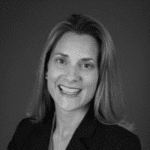 Kimberly TablemanChief Clinical Development Officer, Castor
- Derk ArtsFounder & CEO, Castor
- Kimberly TablemanChief Clinical Development Officer, Castor
About this webinar
In this webinar moderated by Endpoints News, Castor CEO Derk Arts and Chief Clinical Development Officer Kimberly Tableman examine how clinical research could evolve by 2035. Designed for clinical trial sponsors, contract research organizations, site investigators, and academic researchers, the session explores three foundational pillars: expanding patient flexibility and choice, deploying trial designs that collect remote data from multiple sources, and using standardized data to drive healthcare and research. Through a fictional patient journey, the speakers discuss how consumer wearables, electronic medical records, at-home genetic testing, and retail health hubs will change trial recruitment, interactive consent, and study visits. They also address how interoperability, machine learning, and federated learning can compress development timelines and shift researchers from manual data transcription toward study oversight.
Key takeaways
- Standardizing data across consumer wearables and electronic medical records using models like HL7 FHIR is necessary to apply machine learning and incorporate continuous real-world data into registration trials.
- Patients will gain fine-grained ownership over their health records and genetic biomarker data, using blockchain and smart contracts to manage tiered, interactive consent and choose which specific data fields to share.
- Bringing trial procedures closer to participants through home visits, local retail health hubs like CVS, and neighborhood diagnostic stations will reduce logistical barriers and improve trial diversity.
- Removing operational inefficiencies through technology and smarter trial design could cut drug development timelines from 5 to 10 years down to 3 to 5 years while preserving safety and efficacy standards.
- Interoperability and federated learning will allow researchers to run analyses across prior study datasets in place rather than manually reviewing hundreds of free-text articles and PDFs.
Full transcript
Arsalan Arif: Hi everybody, Arsalan Arif here with Endpoints News, and thanks for joining us today for The Pillars of Research in 2035. We're sponsored by Castor, and I'm excited to moderate today's expert panel. Joining us today we have Derk Arts, the CEO and founder of Castor. Dr. Arts has over 15 years of experience in medicine, research, and technology. He founded Castor to solve the biggest issues in clinical research: a lack of inclusivity, patient focus, and the impact of data. Dr. Arts believes that the key to lasting change in the industry is through scalability and standardization. Also joining us today is Kimberly Tableman, the Chief Clinical Development Officer at Castor.
Kimberly brings more than 23 years of experience in clinical development and technology and a passion for serving diverse patients. Over the past decade, she has focused on applying digital health technologies to reimagine the patient journey. Kimberly previously led operational strategy, execution, and product development at Medicine X and was the co-founder of Rabble Health. Now, if you have any questions during today's webinar, our panelists have reserved some time for questions at the end, so just hit that Q&A button at the bottom of your screen as soon as you think of the question. This webinar will be available on-demand tomorrow to rewatch or to share with your colleagues. And now, I'm going to pass it off to Derk and Kimberly to get us started.
Derk Arts: Thank you so much for that introduction. Really great to to be here with you all, and to speak a little bit about the the long-term future, if you will, for our space. I say long-term, I think 10 years ultimately isn't that long, but I do think a lot can change in 10 years. And so today, we really want to sort of take a look at what can we expect from from our space? What can we expect from technology, from data? And I think KT here is is an excellent partner in going through some of these topics with me. And we'll try to to get an idea of, in 2035, so broadly speaking, 10 years from now, what could change.
And I think if you look at the past, we'll see that in 10 years after the introduction of the internet, we saw a huge change in how the world functioned. And just looking at the decline of of snail mail as opposed to email, for example, has been incredible. But also look at the progress we're seeing in areas like self-driving cars and and wearable technology. A lot can happen in 10 years, so we'll dive straight in and and talk about that. Next slide, please.
Derk Arts: So when we were exploring this topic, we basically identified three main pillars. And what we'll be doing here is trying to give you some background knowledge and information on on these pillars, but also really diving into what would this mean for a fictional patient that we shall call Mary, and and what will this mean for the for the researcher. And so the three pillars we identified in our pre-discussions are the the shift towards flexibility and choice, new and innovative trial designs that collect data remotely from multiple sources, not completely unexpected of course, and how data will drive healthcare and research. So this is really the three areas that we're going to be focusing on. So let's start there.
KT, thank you so much for being here with me and supporting me on this webinar. Let's start with with zooming out a little bit. What influence will other industries, for example big tech, have on clinical research in the year 2035?
Kimberly Tableman: Hi Derk. Thanks so much. Thanks for having me. It's really interesting actually if you look at the evolution of other industries, and if we borrow from industries like financial services, from consumer marketing, there's quite a lot happening in the landscape that's supported by technology. So as we shift our lens towards clinical research, we can also borrow from those other industries. So if you look at, for example, financial services, we've moved to mobile banking, and no one ever thought that would be possible probably even 10 or 15 years ago, where I can deposit a check via my phone.
So when we look at that shift and we translate it to clinical research, we can obviously use that mobile experience where we can empower people to be able to have the experience they wish to have. If they wish to go into a site and talk with their primary care physician, they can do that. But if they wish to be in their home, and we can send out individuals to even collect samples and do procedures within their home. So again, things that we probably would have thought not possible 10 years ago are certainly possible today, and I expect that those things will become commonplace as we move forward. And I also think another highlight is personalized healthcare.
So even today, we're talking 2022, I can have a personalized experience around ordering my groceries, and that information and data is stored, and they know what groceries I like. And so when I go back in to reorder my groceries, they're already suggesting and proposing here are some things that you may want to add to your basket. If you translate that to healthcare, I also want that same experience.
So I am a migraine sufferer myself, that's my that's my only ailment, if you will, and I would like to know what information is out there and available to me as a migraine sufferer, and if there are programs, treatments, therapies that are available to me that would help me manage through migraines more effectively, that's information I actually want. And I think that by 2035, again, we will see commonplace that the the the ailments that individuals have, or if they're afflicted by a certain disease state, that they will be getting very personalized information served up to them about what treatments are available, what experimental medicines are available, etc. So those are some of the changes I think we can expect as we look towards 2035.
Kimberly Tableman: And I think, Derk, I have a question for you. So what data will a person automatically have access to via common wearables?
Derk Arts: Yeah, I think that's a great question, and something that is very important to to reflect on, and to take into account as we plan for the future. I think we're all we all know that wearables are becoming more mainstream. I'm wearing a Garmin watch here for for my fitness activities, but also tracks my sleep and a lot of other things. I think a ton of people are are wearing these types of devices. Then there's also, of course, patients who wear devices that are particular for their disease. And I think we're still exploring how those can be fit into into clinical trials without the sponsor dictating how it will be used.
But I do expect that we'll find a way to leverage data that's already out there, that patients are willingly contributing. Already, devices can do, you know, right can measure a wide range of parameters: ECG, for example, blood pressure, heart rate. I think glucose measurements will be there soon as standard consumer grade wearables. And also think that as we progress, they'll become more and more validated, and more like medical grade devices. And so that would also make it easier to incorporate these devices into a clinical trial.
So giving a patient the option to say, "Look, I want to unlock the data from this device that I'm wearing and contribute it to a clinical trial." And I think as the decade goes on, this will become extremely valuable because there's so many parameters that we can now measure through these devices. I think the real challenge that we need to focus on is standardization of data across the devices.
So making sure that data from a variety of devices is unbiased and can be incorporated into a registration trial, because that is ultimately, of course, what we're trying to achieve here, that we can maybe move away from from dedicated sensors that are cumbersome and clunky, and just say, "Hey, you just use the device that you want." And so I think if we come together, we focus on standardizing how we measure with these devices and how we leverage that data into clinical trials, we have a ton of potential data out there that is already available, that should accelerate clinical trial timelines, you know, quite efficiently.
Derk Arts: And maybe an easy bridge to that, KT, I was talking about wearable data, I think another really important real-world data source that is going to become more and more important in clinical trials is the EMR, electronic health records. Can you maybe reflect on what what you think that will go that will look like in in 2035?
Kimberly Tableman: Yeah, absolutely. So I think when we talk about the electronic medical record, there's a couple things. So today, if you go into a doctor's office as a new patient, you're filling out a slew of paper forms still. If you go in to see now a specialist in a different area, you again fill out the exact same set of forms and information and medical history. I believe by 2035, that will be standardized, and we as patients will have access to our electronic medical record and we will be able to provide that to any of our healthcare providers so that they instantaneously have access to that information. We also will have the opportunity to share that data from a research perspective.
So again, that will be a choice. When we talk about flexibility and choice, if we want to opt in and share our data and for our data to be used in aggregate. I do think you hit on a very key concept as well, though, that data does need to continue to be thought about in a standardized way. So things like the HL7 FHIR data model and looking at extensibility when we talk about clinical research is critically important because that is the only way that we can apply things like natural language processing, machine learning. If the data is not first there in that standardized format, it's very difficult to grab those insights out of the data.
So I think we will see that standardization in the electronic medical record. I think we will see ownership by patients, and hopefully no more file folders with little tape on them, right, that we see still in doctor's offices today.
Kimberly Tableman: So I'm curious, Derk, what do you think that'll mean for a patient like Mary as she's traversing a clinical trial in 2035?
Derk Arts: Yeah, I think it it will be different. It's going to be a lot more normal for for someone like Mary to having ownership of her health data from a wearable, from EMR systems. There will be a variety of platforms that will allow you to to manage those those data. You already see Apple and many other players moving into that direction to give you a solution to manage and own that data. But I also think that this is an area where we will really see a meaningful implementation of of blockchain-enabled technology.
I think people have been become become a little bit shy about mentioning blockchain, but I think in this case, when it's about ownership of data, and traceability of data, and having control, it it's actually highly relevant. So I do expect that blockchain-enabled technologies will give Mary control over where she wants her data to be, and who can access it, and having the ability to contribute it to to registries, for example. To also choose what data she wants to expose for identification in into future trials, and we'll touch on that point in in the next section.
And I think a very important note to just make what we close off this section of of the webinar is the use of real-world data and sort of more continuous data, right, is going to be a lot more relevant in years to come because I think everyone is recognizing that traditional way of getting a drug or device to market is very limited in in the way it ultimately tells you about what the long-term impact is going to be of of these interventions.
And so I do think that the FDA and the other regulatory bodies will start to shift more and more towards this world where we have a lot richer data, that is time series, and that well gives a lot more information about how someone's actually doing as a outside of a very regulated context. So I think this whole story actually ties together in a slow paradigm shift towards more continuous real-world data. And I think Mary will be in a great position to be, you know, more in control, and also have a better understanding of what data is out there on her and how it can be contributed to other trials, for example.
Derk Arts: All right, let's let's go to the next the next section: flexibility and choice. Of course, we we see the individual consumer and participants, or even patients, becoming a lot more proactive and they take a lot more ownership of their own health and well-being. And I think it's important to touch on that. It's a trend I think everyone is everybody is supporting. And so, KT, maybe you can start us off with with the first question: How do you expect in the future that someone might learn of being predisposed to to a certain disease?
Kimberly Tableman: Yeah, I mean, I think what's interesting, Derk, is there's already the advent of 23andMe, right, where you spit in the tube, and you send it in, and you learn a lot of information about yourself. So I know even for myself, I have done the 23andMe genetic testing. I I learned that I I don't carry the the BRCA gene, so that's helpful information. I do carry a gene for cystic fibrosis, that's relevant when you're having children, because if your partner also has that gene, it's it can be you can pass that on to your child. So there's a lot of information that is out there and available.
And I think, once again, when we talk about flexibility and choice and empowerment for the patient, more information and understanding of our own kind of genetic makeup allows us to make choices about what we want to do. So if you find that you have a genetic biomarker for Alzheimer's, are there things that you can do proactively that would help you in that space? Might you want to participate in clinical research early on to understand how we can begin to identify patients that are at risk, how we can treat those patients better, how we can help them potentially in the short term and the long term. So I think we will see that genetic biomarkers continues to play a pretty significant role.
In addition, we might see partnerships with companies like Apple, so data that's collected passively about us, in addition to partnerships with digital therapeutics companies, which is really fascinating when you couple that with your traditional kind of therapies from a from a a drug perspective, or a medical device perspective as well. But how does that digital therapeutic place piece play a role, essentially. So I think, again, we're going to see more and more of that, and and and as people understand more, again, about their own bodies and their own healthcare, and their own genetic biomarkers, they can be empowered to make new and different decisions than they would have been able to in the past.
So if we think about, just again going back to Mary, how do you think this relates essentially to to her, Derk?
Derk Arts: Yeah, I think you've tapped into an area that is going to really change the way clinical trials work, and really happy that you highlighted that. When I'm thinking about the sort of technical side of things, right, of course privacy is a huge concern here. I think everybody is is thinking about, "Well, all these companies having access to all that data." So we we do see a great increase in in privacy-preserving technology that that actually gives patients a lot more power on controlling who has access to their data. And so again, we could be looking at a future where there's there are standards on having a digital representation of encrypted metadata about yourself on a blockchain-enabled platform, where people can choose what they want to expose.
So you have to imagine a a digital endpoints about yourself where you choose what tidbits about yourself you want to make available in a way that doesn't reveal your identity, but does clue you in on whatever is possible with with your data. And so I think in the case of Mary, if she does an at-home test and discovers she has a genetic marker for Alzheimer's disease, she could choose to then publish that information in, again, a privacy-preserving way, exposing the information so that she can be maybe brought into a trial or be informed about new treatments or be otherwise informed about things that are relevant for her.
And so I really think that the evolution of technology and in self-testing will provide subjects like Mary a lot more flexibility and choice to take proactive actions based on on their data and their understanding of health data. And I think that's actually a great way to to segue into the next section, and I we alluded to it already: How do we get patients, you know, into clinical trials? How do we look at clinical trials as a care option, and how do we make it how do we make it go mainstream? Like what can we do through through technology? KT, can you can you maybe just talk us through what you think may happen when it comes to how patients learn about new clinical trials?
Kimberly Tableman: Yeah, and Derk, I was just thinking as you were speaking that if if Mary knows that information about had a a genetic test done and had a biomarker identified for Alzheimer's, she could also register, become part of a registry, which again would allow her to be informed and would allow sponsors to also kind of tap in and say, "These are people that are actively interested in participating in clinical research." I think I touched on earlier at the top of our call here about personalization, and one thing that I know for sure today is that if someone is Googling asthma, or cancer, or really any other type of condition, either themselves or a loved one, someone close to them is likely afflicted by that condition.
And just like I like to joke that that pair of Christian Louboutin shoes chases me around on the internet because once I've searched it, right, my personalized marketing, it keeps coming back, even though I'm trying not to buy the pair of shoes, well the same concept here applies in healthcare. And in fact, I would argue in the healthcare space, this is something I want chasing me around, right? So I want to know if there are new treatments available to me depending on what condition I'm looking into. We know even particularly in the in the cancer space or in oncology that individuals want to know. They are desperately actually seeking information about treatments, and so that should be available right at a person's fingertips.
So if we think about applying the concepts of digital marketing, it just makes a lot of sense. The other thing is I do think the relationship between patients and PCPs will continue to evolve. A patient still feels a confidence with their doctor, and to be honest, Derk, I don't see that changing. There's technology, but there's also just this idea of personal connection with your physician, and you trust them. And so I think as individuals that are in the healthcare ecosystem, we need to think about how do we continue to support that physician-patient relationship, and how do we also empower physicians to ensure that patients are aware that clinical research is just another care option.
It's just another option and choice that they have available to them. They don't have to do it, but certainly they should be made aware of it and should be educated as as far as the choice component. So I think if we take that and then expand that into just overall recruitment and enrollment, which is something that is always a hot topic in our in our industry, again it goes back to reaching people. And and how do you think, Derk, are there there are other ways? I mentioned digital marketing, but what are some other ways that you think we can reach people?
Derk Arts: Yeah, I think there there will be many ways, and I think we probably need to move a little bit faster, KT. I was already expecting us to get so excited that we go very deep into these answers. So I'll try to make this one quick. So I think like we could look at other industries, right? So how do other industries operate? And I feel like we are very far from what technology can do right now in our space. If you just look at air travel, for example, somehow they figured out interoperability to to to a level where we can have systems communicating in real time across the globe to handle something as complex as as air travel where the stakes are so incredibly high.
And so I think we really we need to continue to learn from other industries and also just make that commitment to push ourselves to to a level where we break silos and we break those barriers, and we start using technology in in the way it can be used. That will make it easier to know that a trial exists somewhere, or to know that a patient exists somewhere, anonymously of course, and then we can start adding things like gamification, right? So can we can we get people in through through other ways than sort of searching for for a disease?
We actually know already of massive multiplayer online games where they're using that type of access to to get in front of people and to to talk to them about new trials. Digital incentives, of course. I mean, with the advent of the new finance movement, if you will, we have a lot of options to also incentivize patients differently, and making sure that the participation in a trial becomes a lot more attractive, and the remuneration remuneration for that also becomes a lot more direct.
I think thinking about measuring Net Promoter Scores across the journey and reporting on that as well, so we actually leverage reviews, almost in a Yelp-like fashion or Google Maps-like fashion, to to make it very simple again by just creating openness and accessibility for a patient to understand, "Hey, this is a great trial. And everybody that's that's participating is is really happy in that trial." So just continuous learning mode should be switched on for us, and looking at other models and then transplanting into our space I think is going to be really really critical to help us move us forward. And just to wrap up this section, KT, bring us to 2035 and and tell us what this could mean for, you know, for Mary.
Kimberly Tableman: Yeah, I think just to put the final point on flexibility and choice, it's we've covered a lot here, but it's flexibility and choice in, a, finding out about a clinical trial. So how do I find out? Do I find out because it's chasing me around on Google, or do I find out because I have a trusted relationship with my physician, I've walked into the office, the physician is fully versed in clinical research as another care option and is sharing that information with me? We've talked about the idea that Mary should have the ability to understand the trial either from their physician or also understand if if there's a way to do a pre-screening at home, that should also be available to Mary.
Mary should have the option to share her data or not share her data, right, as she sees fit. Or maybe, I mean just to go one step further, I want to share parts of my data, but not all of my data as it relate relates to my medical record or my medical history, I should be able to do that. I should say, "Yeah, I want to be able to share this this specific information, but I want to keep this other part of my medical record private." So ultimately, Mary should have be essentially in the driver seat and and have the ability to make all of those choices for herself.
Kimberly Tableman: So as we think about that and it relates to consenting into a trial, I know this is another hot topic for us within the industry, because it's critically important, Derk, that a person understands what they're getting into when we talk about experimental medicines or therapies. So what do you think needs to change as it relates to data security, trust, when we think about consent?
Derk Arts: Yeah, what I will do, I'll just take the next two questions together because I think they actually go really well together. And so, I think to to gain trust, things need to also be need to be easy to understand. I think nobody will find it easy to build up trust if they're faced with material that is just really hard to grasp. You're you're you're going to have to trust the person right in front of you. You just don't have an option because you don't really have the ability to process what they're putting in front of you, if for example in in case of a consent form.
And I think still consent forms are extremely long, extremely dense, and we've all known about this for a decade, but I'm not sure if we really made a ton of progress in fixing this problem. But I do think we're moving in the right direction. So I think consent forms can turn into rich media that are that's interactive, where you have quizzes, that is, you know, consumable on any device when at a time that works for you. And also, you know, really just making sure that we give access, you know, patients access to a portal where they can come back, review information, review information about their consent, about the trial, and ultimately gain more control over over their data even.
And I think then when we go a little step further with consent, and I think often there's a question of like, will we have broad consent? Will patients, people, just, patients or people or participants consent to a lot of things in one fell swoop? I actually think that consent is going to be a lot more specific. With technology, you actually have the ability to control specifically what people can access. And maybe you've heard of things like smart contracts that are currently being used more on on the cryptocurrency side, but we're actually already using smart contracts in sort of the banking sector and and the loaning sector.
And I think smart contracts will really help enhance our digital lives and gives a lot more control by basically putting in code, what can you do and what can't you do, and having control over that.
So I'd be really surprised if in 2035, we wouldn't have made a lot more progress on, a, how consent is is presented and how that helps us build trust, and how we can give patients ownership over the data, to also have them feel like they're in the driver seat, as KT said, and also making sure that they have fine-grain control over what am I consenting to now and and what am I what am I consenting to in the future when it comes to data reuse or re-identification for clinical trials. And so really being able to say, "Look, you can use my demographics data. You can use my lab data. But that's it.
Like you can't access my genetic data." Really that type of distinction, I think, is going to be really important. And KT, just to hand it back to you, sort of
Kimberly Tableman: Yeah. Yeah.
Derk Arts: what will this look like, do you think, in in 2035 for for Mary?
Kimberly Tableman: Yeah, I think another great tie-in, Derk, with the smart contracts is also blockchain. We've talked about that a little bit for for patients. So there's always this big question around privacy and security, and so what blockchain provides from a technology perspective is that chain of custody. And so using that in the context of a patient portal, but also knowing that when someone's consenting, it's actually them, right, because I know that's a big topic of conversation in in the consenting process, and then going one step further around just kind of you you almost have a contract with that consent consenting document. So bringing that all together, I think blockchain could play a role in that.
I think also Mary's going to want some sort of an interactive consent process, and what I mean by that is if there's specific procedures within the clinical trial, she may want to click on that procedure and just understand what it is. I mean, hopefully it's not a spinal tap, but if it is, I might want to know what is that. What is that? What is it? What am I actually signing up for? So having some rich media, kind of a video that shows me what that procedure is all about, would be very very useful to me. I think the other thing is that we kind of miss is help me understand upfront, I'm a planner, right?
So I like to know what's my what what are my site visit schedule? How often do I have to come in to the doctor, or am I going to be fully remote, or am I going to have the choice? So going back to flexibility and choice, can I choose whether I come in to see you or not? I think video is already at play. I know here at Castor, we have a great interactive televisit way for the the healthcare provider to interact with the patient, and that is important. They can see the patient, they can walk the patient through the consent. I think that's going to continue to be relevant as we move forward.
And I think just utilizing data and having Mary be able to make a choice about, "I want my data to be used for this clinical trial," that's one choice. "I want my samples to be able to be reused for research," that's another choice. "I want my data to be able to be used anonymized in and in aggregate to support overall research" is yet another choice. So I think all of those kind of a tiered consent will be in play in 2035.
Derk Arts: Awesome. Yeah, I think that makes makes a ton of sense. I I think the the next section, do we have it on screen already?
Kimberly Tableman: Yes.
Derk Arts: Is is already up. And is more like, what do what do the new models look like? And let me just read out my own question here for me, sorry. I should have waited for you, KT. But what what new partnerships might emerge to bring trials closer to patients' home? And so my my answer to that would be, I think we're all aware of what CVS is doing in this space, right? I think it's a very obvious example of how we can create actually a third pillar, right? So we have the the patient's home, we have the traditional sites, and now we start to see the emergence of the all these in-between sites where potentially we can can do some of the study activities.
So I think that's going to be a really important pillar. And we'll be weaving a trial around a human life, which I think is absolutely critical, as opposed to people adapting themselves to trial protocol. We'll find ways and we'll give options of flexibility to say, "Oh, I want to stay at home," or "I'll walk to my local, you know, CVS." And actually, I think we can push this further, because as technology improves, as diagnostic technology improves, where a lot of the analysis actually moves to the cloud, I can even imagine having these unmanned stations, like even at a gas station, for example.
Here in the Netherlands, we have a device that does does COVID testing, it's more accurate than a PCR test, and it works in three minutes, because it analyzes the sample on the spot in the device, but then sends all the information to the cloud, and that's where all the heavy lifting happens using modern technology. So I think when we start to really see the combination of hardware, cloud, and artificial intelligence, we can actually put a a very capable device that can work on its own anywhere in in your neighborhood.
And I think when you start to bring those piece of technology and new players together, we can start to see how suddenly, you know, you'll look at a map on your phone and and be like, "Well, what is convenient for you?" And then you're like, "What? I'm going to go to to pick up some food, and I'll just have Google Maps plot along the way a station where I conduct a study visit." 2035 may be a little bit early, but I think for some type of diagnostic technologies, this is actually a reality that can happen. So maybe, KT, give us a bit more color on what that could look like in in 2035.
Kimberly Tableman: Yeah, absolutely. I think one of the things that you highlight here, Derk, that's really amazing as well is this idea of being able to reach much broader patient populations and increase overall diversity in terms of our our clinical research, and this idea of being able to have more innovative trial designs and being able to bring specific procedures to communities, whether those are urban communities, whether they're rural communities. And I'm talking about communities that have historically not had maybe a Mayo Clinic in their backyard, right? So where clinical research just hasn't been accessible to them. These kind of expansions, I think I heard a statistic that there's a a CVS a mile from from every person's home in the United States, or some something insane.
And so if you think about that though, wow, if I can go to a CVS HealthHUB and and have a procedure done, that makes my life a whole lot easier. That is a that's a huge difference from having to drive three hours to a site or fly to a site and all of the logistics that are involved in that. We've heard that those are barriers sometimes for people to participate. So I think the expansion of the clinical research landscape through these partnerships is actually going to have a significant impact. And I think for Mary, we've already highlighted just flexibility and choice, and and this is just a continued reinforcement of that, so that Mary can make those choices.
And if she's going out to get food, as you highlighted, Derk, she can easily swing by and get a blood draw.
Derk Arts: Exactly. Exactly. I think that's a great a great end to to this section. And just to jump in in the next one on sort of the the the the power of data, and how sort of the researchers will think and work.
Derk Arts: KT, maybe you can reflect on, what do you expect on the drug and therapy development timelines? Can we expect significant change from from what we're seeing today?
Kimberly Tableman: Absolutely. I mean, yeah. I've been arguing for a few years that the the drug development timelines that are historically 5 to 10 years could be cut in half, so we could go down to a 3 to 5-year timeframe or window. When we think about research, the most important thing is measuring the biological response, right, to the therapy. And so we should always obviously take the time needed to to measure that biological response from a safety and efficacy perspective. But anything else that's adding to that timeline is doesn't need to be there, essentially. So from from a technology perspective, and all of this enablement, Derk, that we've been talking about today, I expect to see significant decrease in the timelines associated with with getting a a drug or a therapy to market.
Kimberly Tableman: And I think you had mentioned some other areas that that researchers might want to think about, that that could have an impact on the speed, cost, and quality of clinical research as well. Did you want to talk about those a little bit?
Derk Arts: Yeah, of course. Of course. I think a lot of people are already aware of the the ideas around gamification, and how personalization that you also brought up can really help how you how you run a trial, how we keep participants engaged and make it fun to continue on on the journey. I think this is something that we still have a lot of room There's a lot of room to grow there. I think people are aware of it, I think people are excited about it, but I'm not sure I'm really seeing it brought into practice. So I think we should definitely use the the next decade to to understand why sometimes people return to the same game for five years in a row, right?
And if you can get that level of engagement, like let's see if we can transplant some of that into our clinical trials, so we can really up those engagement levels. I mean, the research is there, we know how the psychology works around these things, we just need to really learn from that space and and bring it into to into ours. And I also think when when you're a researcher, we need to start thinking differently about what our job is. I think it should be less and less about pushing papers and transcribing data, and more also about being, you know, sort of managing the orchestra and and managing the data coming in from all these various sources.
It's really more of a air traffic control-type situation where you have your overview, you have your dashboards, hopefully you have some machine learning assisting you that is calling out where things are going wrong, right? Machine learning is great at pattern recognition. It's great at looking at previous data and seeing if the distribution of your new data makes sense. So you're really sort of keeping an eye on things, and when the machine doesn't know what to do next, that's where you come in. But it should make it very easy for you to keep track of of what's happening. So, you know, look at the other industries and and seeing how they are using technology to make our job easier.
Because I do think sort of the the researcher's role in a trial needs to be reduced where to a point where we can really focus on what we are uniquely capable of doing, as opposed to what we can outsource to to our technology.
Derk Arts: And I think back to you, KT, if you bring these two elements together, what will that look translate to for for Mary, in your opinion?
Kimberly Tableman: Yeah, I mean, I think Mary will have access obviously faster. I mean, to new and experimental medicines, and that can improve her quality of life and and in some cases extend her life. So it's critically important for for many reasons that we actually do increase the speed at which we're able to bring medicines to market. And Mary also, through this flexibility we've talked about again, will be able to share data just to improve healthcare for humanity more holistically. And that's important too, because that sets up the the future generations from a from a healthy healthy generations perspective, and it's a powerful kind of mission.
Derk Arts: Yeah, I fully agree with you.
Kimberly Tableman: Yeah.
Derk Arts: Yeah, let me let me jump into the into the next section that we have here. So continuing on on the data side, maybe you can you can speak about why data sets are rarely standardized or exchanged or reused. I mean, I think we all understand the power of data, we've been talking about it extensively here on this on this webinar, but still, I think research indicates we're really not maximizing the potential just yet. What do you think ties into that?
Kimberly Tableman: Yeah, I think there's just a legacy in the industry, Derk, of collecting data on a study-by-study basis, and that data can be collected differently, unfortunately. So if we collect blood pressure differently, if we collect gender differently, right, so whether it's male/female, 1/0, however we we go about collecting that information, if it's done differently on a study-by-study basis, it becomes very difficult to aggregate that data and and learn from it, and pull the insights out. So that's why I think the advent of all this technology and additional data sources and passive data collection are incredibly important, but the underlying foundation of the data in a standardized format is equally important to be able to fuel us as we as we move forward.
There's just so much that we could learn, and those insights can then be used also to create those smart trials. So when we're talking about innovative trial design, as we just discussed, the insights that we gain from this data in aggregate help inform better design, which in turn continues to enhance kind of that speed, quality, and also the patient experience more holistically, so we're not doing procedures that are unnecessary.
Kimberly Tableman: And I'm wondering, Derk, how do you see it from a researcher perspective? I know you did research yourself, and so when you think about interoperability and real-time access to data change, how how does that impact the researcher workflow?
Derk Arts: Yeah, it's it was slightly, you know, underwhelming, I should say. Underwhelming is the right word, to to see what goes into creating a new a new guideline. My PhD was on decision support and seeing if we could digitize guidelines for for physicians and putting them into their EHR system, and I did I also participated in a systematic review, and that's really not fun, I would say. It's going through sometimes hundreds or even thousands of articles to look at free text and at tables, to then try to sort of summarize that into a into a new article.
And I think as we move slowly towards the age of making data from trials more accessible and increasing interoperability, so that you could actually have your computer pull data sets for you because it understands what these data sets are, how they should be used, and what the individual data fields are that are in them, this could be a really completely different experience. And it's a future we should really work towards, because you can imagine the difference between going through hundreds of PDFs or really just going through a search engine and based on the metadata on trials, being able to identify trials that have been previously conducted, where you can then request access to to clinical trials.
So we should really be working towards a future where evidence-based medicine is built on data, and maybe even on federated learning. Right, so the concept of federated learning is where you don't copy data to one central place, you just keep the data where it is, and you have a learning model go past each data location, run the analysis there, aggregate the results, and continue on its journey. And if we start to create that future where data really contributes beyond the initial project, right, it's often just we write a article, or we get the drug approved, the data gets archived, stored securely for 15 to 20 years, but what then?
If we can really unlock the potential of those data sets, the impact can be much bigger.
Derk Arts: And I think if I take that to to 2035 and tie it back to sort of where we are in the future, I think for a patient, Mary, this means that it's going to be much easier for her to stay informed. Right, you can imagine if if trial data and metadata becomes more readily available, it's it's much easier to also stay in the loop, results will come out faster, so she'll she'll be able to read about updates of on her disease and in much more sort of a much higher pace. And she also would be able to see how her data has contributed to that.
I think that's a really important point of trying to give a lot more insight in, "Hey, this is how your data has been used," and and and maybe you could have an overview of every single digital publication that has followed out of the data that you've contributed. And then if I take a look at the researcher side, I can imagine that instead of screening a hundred or a thousand papers, I just run a search. So I define my metadata, maybe using the MeSH terms that we're all familiar with, and I get a whole list of studies that have been completed in the past that I could send a request to in bulk and say, "Look, I'm running a new trial.
I'm hoping to incorporate your data." And then perhaps I launch a federated learning algorithm that goes to each of those stations with the right permission, runs the analysis, aggregates it, brings it back to me. And suddenly we've gone from a human interpretation of thousands of free text papers and running a new piece of free text, we've gone through actual access to raw data and creating and training an algorithm based on that data. And this will really supercharge evidence-based medicine as we know it, and really speed up the evidence-based medicine process. So again, something I think we should all be working towards and and be very excited about.
Kimberly Tableman: Yes, I agree, Derk.
Derk Arts: Good. That's a good start.
Derk Arts: All right, I think we can go to
Kimberly Tableman: Yeah, we're getting ready to to wrap up in terms of the pillars of clinical research 2035.
Derk Arts: Exactly. And so just going back to the three pillars, I think we all expect a shift towards flexibility and choice, with the great benefit of making trials a lot more diverse, increasing accessibility of course, and really putting patients and participants in control. We'll see many new and innovative trial designs that collect data remotely from many different sources, many sources that are already in existence, like the wearables we're wearing, the EHR data that's already there, not wasting anything, and and giving patients a lot more control over that data. And with that, make it easier to participate in trials, to for for trials to find them and for them to find trials.
And creating a a real paradigm shift for how evidence-based medicine is functioning based on how we disseminate knowledge and information, how we leverage data, but also how we look at continuous real-world data as opposed to these highly structured, phased clinical trials. So we really start to see a big shift there. And I think finally, if you put all of that together, we'll just see how data will really drive healthcare and research. So how data will make trials richer, make trials more efficient, and maximize sort of the the impact those trials can have. And then of course, from that, drive healthcare in the ways we just described.
So I think there's a lot to look forward to, but also a lot of work that needs to be done. And I'm very happy that Castor every day and all the people here, and honestly all our esteemed colleagues across the industry, are working really, really hard to to make this progress. I think it's good to sometimes zoom out and have a webinar like that where we can just talk freely and close our eyes and imagine what this future will look like, so we have that star on the horizon and something to to work towards.
And it's going to be a lot of baby steps, and there's a lot of things we mentioned today that seem absolutely unattainable, but again, if you if you focus on what you achieved in 6 months or a year, it may look underwhelming. If you then suddenly zoom out and look at what you achieved in 10 years, it blows your mind. So I'm I'm going to go for that. And with that, I'll I'll hand it back.
Arsalan Arif: Right. Well, thank you very much, Derk and Kimberly. That was a great great presentation and we've got a lot of great questions here from the audience. Let's go ahead and start with this one. And it's about using digital technology with more conservative populations. So let me read the question here: What about more conservative populations, for example elderly patients or surgeons, who are used to their routines or procedures like filling CRFs on paper only, and they don't trust technology? Maybe this will resolve itself by 2035, but the question is, do you have any tips on what we can do from an industry perspective to encourage them to trust in a more digitalized research process?
Kimberly Tableman: Yeah, I can take that one. I think that one of the things we have to continue to think about is human-centric design in all things. And so what I mean by that is while we have the technology available, in some of those populations, the the elderly populations that may not be as comfortable with technology, I would propose that we have some sort of a buddy system. So think about kind of just community and and how we can help each other. And usually with elderly populations, you see a deeper comfort level if they have someone helping them and then they say, "Okay, I can do this," right? "I can participate.
I can I can be part of of this." And you also do see some elderly populations that are very savvy from a technology perspective. So again, I think it goes back to continuing to think about all people in the context of clinical research and how we create solutions that work for everyone. The same is true for other populations of individuals that we'd we had talked about earlier in the webinar that that maybe can't drive three hours to a site. And so again, how are we making sure that we're designing trials in such a way that people can participate? And that's leveraging things like the CVS HealthHUBs or other types of health hubs and expansion of clinical trial kind of research infrastructure.
So I think those two things are related and and how we continue to think about trial design is really going to be impactful.
Arsalan Arif: All right. Next Derk, you have anything to add on that one?
Derk Arts: No, I think that that really covers it.
Arsalan Arif: Okay. All right, let's get to another question over here. So it's a bit of a comment and a question here: So based on our auditing experience, we can conclude that the workload for PhDs conducting investigator-initiated clinical research in a university or teaching hospital is such that it would be wise to design a digital device to remain in control with all the tasks. I'm curious about your views in this respect.
Derk Arts: Yeah, I think it is something we need to be very mindful of. I would think more of a an application than than a device in this case, but I do think it's important that we offer everyone access to technology that helps helps them run an efficient and compliant clinical trial. And Castor's our focus is on democratizing clinical research, and what that means is that we create technology to run clinical trials, but also make sure that anyone in the world has access to this type of technology. So we really also want to contribute to, you know, this this state where everyone has access to the technology that allows them to easily run a clinical trial.
So I agree we need to continue to move forward and we need to make sure that the sponsors have access to this technology, the CROs have access to this technology, but also the the investigators at the sites. And I think there's a lot of work still to be done in the site-sponsor partnership, and and how they share and technology. And and again, I think it comes back to standardization. I think it's important that sites get to own their own technology that helps them be effective and run their trials, but at the same time, that needs to be integrated with the sponsor technology. And what I think we still lack is standards of how these systems should communicate, right?
So right now, we often see double data entry, for example. If we start creating standards to have site systems communicate with sponsor communicate with sponsor systems, it would also be a lot more attractive for for sites to continue investing there and to create and and buy platforms that help them be effective. So I think it's a great point, but there's quite a few moving parts, I think, for us to to really be be effective there.
Arsalan Arif: All right. Now we're talking about clinical research in 2035, I'm I'm curious, how will regulating bodies adapt to match the future of research here, in your view?
Derk Arts: Well, slowly, I think it's the it's the first answer, and that's that's totally fine. I think they need to be very careful and mindful of the type of innovation they adopt. Ultimately, they have a a very big responsibility to to society to to do a great job. But they will have to stay up-to-date. I think we we have just launched, or we'll soon launch, an article on how SDTM should evolve, the standard submission format to the FDA. And honestly, I think, you know, we should be working with them to to creating this future.
So we write these position statements, but I, you know, I'd love to collaborate with the regulators and think about, "Hey, what will that future look like, and how can you deal with data formats that are just no longer compatible with how you expect data to come in?" So it's going to be a slow process and it's going to be a collaboration between the sponsors, the technology vendors, the CROs, and the regulators to to define what needs to change. KT, you probably have something to add to that.
Kimberly Tableman: Yeah, I mean, the only thing I would add is I think that they are willing to partner. I think that's been evidenced over the last several years. We've heard a lot from Scott Gottlieb and and Janet Woodcock and I think they're pushing and encouraging partnerships particularly between vendors and sponsors. So those that are providing clinical trial research-type technology and the sponsors that are utilizing that technology, can we come together and and provide something or submit submit something to regulatory bodies? And at the end of the day, let us remember, the the regulatory agencies, their their primary mission is to ensure safety and efficacy.
So I think as long as we can demonstrate as an industry that our primary focus is safety and efficacy of the treatments that we're putting forth, I think that we will find quite a bit of support from the regulatory agencies.
Arsalan Arif: All right, wonderful. Well, we only have a few short minutes, so I want to conclude with this question for you both, because we're talking about 2035, so it seems like really far out, but it's actually not that far away, right? So tell me, what strategies can be deployed right now to get us to the vision that you both were talking about earlier in the webinar?
Kimberly Tableman: You want to take Okay, all right.
Kimberly Tableman: So I always say take one step. Take one step towards that vision. And and James Clear wrote a book called "Atomic Habits", and it talks about making a 1% shift, but how that begins to build momentum. So I really encourage every single person on this call has the ability to make a small shift or make a suggestion for change within their organization. So if it's one study with eConsent, or one study that's designed with flexibility in mind, or one study that reduces the number of procedures a patient has to go through, all of that makes a difference. So I think it's all about just taking that one first step, and then I think the the change that we wish to see in the world will will continue to manifest.
Arsalan Arif: All right. Yeah, I can endorse that book, "Atomic Habits". Great book. Life changing.
Kimberly Tableman: Yeah, it's really good.
Arsalan Arif: I love James Clear. And that's a fantastic answer, really. I want to thank you both. This has been a really illuminating session. I want to thank both of you for taking the times to talk to the Endpoints News audience about this. And really, we appreciate Castor for sponsoring the discussion. I want to let everyone in the audience know that if they want to rewatch this webinar, it will be available on-demand tomorrow. I'm Arsalan Arif for Endpoints News. Thank you for joining us and we hope to see you at a future Endpoints event. Thanks, everybody.